In the competitive world of textiles, a Sock Sewing Machine can transform the way businesses operate. This specialized equipment not only boosts efficiency but also enhances the quality of the finished product. With precision in stitching and speed in production, it allows manufacturers to meet the rising demand for socks in diverse markets.
As companies look to innovate, the Sock Sewing Machine stands out. Its ability to sew various sock styles, from athletic to fashion, caters to a wide audience. Moreover, utilizing this machine can reduce labor costs, making it an attractive option for startups and established businesses alike. However, the initial investment may seem daunting.
Operating a Sock Sewing Machine requires skill and training. Workers must adapt to the technology. Mistakes can happen, leading to waste and delays. Reflection on these challenges is crucial for continuous improvement. Overall, the benefits often outweigh the challenges, making the Sock Sewing Machine a worthwhile addition to any sock manufacturing business.
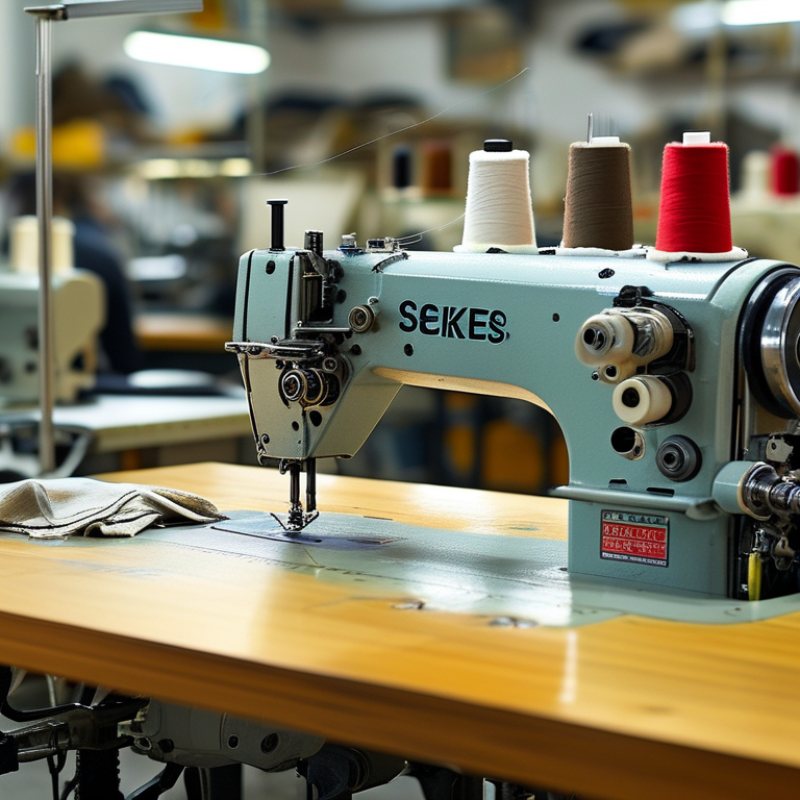
Using a sock sewing machine can significantly enhance production efficiency in businesses. These machines are designed specifically for sock creation. They streamline the entire process, enabling faster output. With automated functions, they reduce manual labor and minimize errors. This results in a consistent quality of the products. Many businesses find that improving efficiency directly impacts their profitability.
Consider these tips: invest in proper training for your staff. Even the best machines require skilled operators. Regular maintenance is key to longevity and efficiency. Ensure that your machines are in top condition to avoid unexpected downtimes.
The speed of production may be impressive, but it’s essential to monitor quality. A faster process does not mean you should overlook defects. Implementing quality checks at various stages can save costs on returns. Balancing speed with attention to detail can be a challenge but is necessary.
Automation in sock manufacturing significantly impacts cost savings. Using a sock sewing machine can streamline production processes. This technology reduces the need for manual labor, leading to lower wage bills. Fewer employees can mean lower overhead costs for businesses. This is a crucial consideration for manufacturers looking to remain competitive.
Another advantage is consistent quality. Machines can produce socks with precision, minimizing defects. This reliability can reduce waste, affecting the bottom line positively. However, businesses must weigh the cost of investment in machinery against potential savings. Maintenance and training can add expenses that may impact initial savings.
Some manufacturers might hesitate to adopt automation. There are concerns about losing the human touch in craftsmanship. Manual expertise is invaluable in certain sock designs. Balancing automation and quality requires ongoing reflection. Continuous evaluation of production methods is necessary for long-term success. Automation should enhance, not replace, human creativity.
The ability to customize sock design is crucial for any sock manufacturing business. Using a sock sewing machine enhances this flexibility. With advanced settings, users can adjust patterns, colors, and sizes easily. This adaptability allows businesses to meet diverse consumer demands.
Crafting unique designs is a core strength of modern sock production. When businesses can tailor styles, they can appeal to various markets. Think of athletic socks with specific reinforcements or festive designs for holidays. These options can lead to increased customer satisfaction. Yet, there can be challenges. New designs may require trial and error, and not every idea will succeed.
Investing in a sock sewing machine can also reduce waste. By optimizing designs, businesses avoid overproduction of unwanted styles. However, this requires careful planning and testing. It’s essential to research current trends and consumer preferences. Balancing creativity with practicality can be complex but rewarding. Each sock produced can represent a blend of innovation and strategy.
The use of a sock sewing machine can significantly enhance worker comfort and reduce labor strain in production settings. A report by the Occupational Safety and Health Administration (OSHA) indicates that repetitive strain injuries account for 33% of all workplace injuries. These injuries often lead to employee dissatisfaction and increased turnover. By automating the sewing process, businesses can reduce the physical demands on workers, leading to a more comfortable work environment.
Employees who regularly use advanced sock sewing machines experience lower levels of fatigue. Studies show that ergonomic designs can decrease muscle tension by up to 40%. Workers notice a significant decrease in discomfort associated with repetitive tasks. This enhancement not only increases productivity but also leads to better mental well-being among staff. A supportive work environment motivates employees and fosters loyalty.
However, adopting these machines isn't without challenges. Training staff to use new technology can take time and resources. Not every business may see immediate returns on investment. It's vital for companies to assess their individual needs and employee feedback. Regular evaluations and adjustments may be necessary to fully realize the benefits. This approach ensures a balance between technology and worker health, creating a sustainable work environment.
| Benefit | Description | Impact on Business |
|---|---|---|
| Reduced Labor Strain | Minimized repetitive motion injuries through automation. | Increased employee retention and reduced health care costs. |
| Increased Worker Comfort | Ergonomic design reduces fatigue during long hours of work. | Higher productivity and job satisfaction leading to lower turnover. |
| Enhanced Production Efficiency | Faster stitching and finishing processes improve output. | Ability to meet higher demand without compromising quality. |
| Cost Savings | Reduction in labor costs and waste material through precision. | Increased profit margins and more competitive pricing. |
| Quality Consistency | Reliable stitching patterns eliminate variability in product quality. | Stronger brand reputation and customer loyalty. |
In the sock production industry, maintaining consistent quality is crucial. A sock sewing machine plays a pivotal role in achieving this goal. These machines ensure that each sock meets high standards. They are designed to handle various fabrics and thicknesses with precision. This capability allows businesses to produce socks that are comfortable and durable.
Quality control starts with the sewing process. Sock sewing machines offer automation, reducing human error. They can stitch patterns consistently, which is hard to achieve manually. This leads to fewer defects and ensures that every pair is identical. However, relying solely on machines can be limiting. It's vital to incorporate periodic manual checks for quality assurance. Machines may malfunction or produce unforeseen issues. Regular inspections help maintain the integrity of the final product.
Investing in sock sewing technology can elevate a business. The initial setup may require significant investment. Yet, the long-term benefits often outweigh the costs. Ensuring consistent quality not only meets customer expectations but also builds brand loyalty. Balancing machine efficiency with human oversight is essential. This approach may require adjustments and ongoing training, but it ultimately enhances the quality of production.
: They streamline the sock creation process, increasing output speed and reducing manual labor.
Regular maintenance is crucial for avoiding unexpected downtimes and ensuring efficiency.
Implement quality checks at various production stages to identify defects early and avoid returns.
These machines reduce physical demands, leading to lower fatigue and improved worker comfort.
Yes, they can decrease repetitive strain injuries, which account for a significant percentage of workplace incidents.
Yes, proper training is essential for operators to maximize the benefits of the machines.
Fast production shouldn't compromise quality; defects can lead to customer dissatisfaction and returns.
Yes, it may take time and resources for staff to adapt to new technology and achieve immediate returns.
Automation reduces human error, leading to fewer defects and ensuring identical pairs of socks.
They need to balance machine efficiency with human oversight to maintain quality and adapt to issues.
The use of a Sock Sewing Machine offers numerous benefits for businesses in the textile industry. One of the primary advantages is enhanced production efficiency, as these machines are specifically designed to streamline the sock manufacturing process. This not only speeds up production but also leads to significant cost savings through automation, reducing the need for manual labor and minimizing operational costs.
Additionally, the Sock Sewing Machine allows for improved design flexibility, enabling manufacturers to create custom sock designs that meet diverse consumer demands. The automation process also reduces labor strain, leading to increased worker comfort and satisfaction. Finally, these machines ensure consistent quality control, maintaining high standards throughout the production processes and resulting in a reliable product for consumers. Overall, investing in sock sewing technology can greatly enhance business operations and productivity in the sock manufacturing sector.

Rainbowe