The demand for efficient sock production has surged, driven by both fashion trends and everyday needs. The Automatic Sock Machine stands out as a solution for manufacturers looking to enhance productivity. According to the Global Textile Machinery Market report, automated machinery is pivotal in meeting production goals. The report highlights that integrating automatic machines can increase output by up to 40%.
However, the selection of the best Automatic Sock Machine can be challenging. Factors like machine durability, speed, and maintenance requirements must be evaluated. Detailed inspections and feedback from operators are crucial for assessing performance. These insights can reveal strengths and weaknesses often overlooked in marketing materials.
Investing in an Automatic Sock Machine can maximize efficiency, but it's essential to conduct thorough research. Understanding industry benchmarks and user reviews can guide decisions. This reflective approach helps businesses avoid potential pitfalls in production costs and machine reliability.
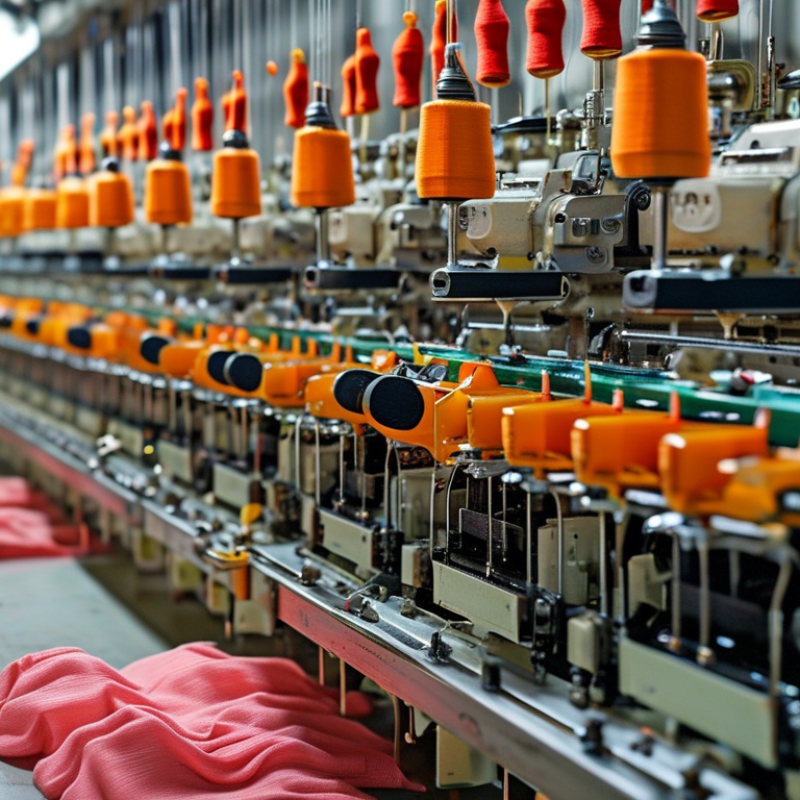
Automatic sock machines are revolutionizing the textile industry. These machines offer impressive production speeds, often reaching up to 300 pairs of socks per hour. This efficiency is crucial in an era where demand for socks continues to rise. According to industry reports, the global sock market is projected to exceed $45 billion by 2025, highlighting the need for innovative manufacturing solutions.
Implementing automatic sock machines allows manufacturers to optimize their workflows. These devices minimize human error and ensure consistent quality. They can also produce various styles and sizes, adapting to consumer preferences with ease. However, investing in these machines requires careful evaluation. The initial costs can be significant, and maintenance must be factored into the production budget. Some facilities face difficulties in training staff to operate complex machinery effectively.
Efficiency can be hampered by machine downtime. It's essential to develop a robust maintenance schedule. Additionally, the reliance on automation can sometimes lead to underestimating the value of craftsmanship. Striking a balance between automation and skilled labor is vital for long-term success. Companies need to reflect on their production strategies to align technology with consumer expectations.
When selecting an automatic sock machine, key features play a significant role in optimizing production efficiency. One crucial aspect is the machine's knitting speed. According to industry reports, advanced machines can achieve speeds of over 200 pairs per hour. This high output can drastically reduce manufacturing time but requires careful calibration. While faster machines can increase productivity, they may also lead to more frequent errors. Thus, operators need to balance speed with quality control.
Another important feature is the machine's adaptability to different sock types and sizes. Flexibility can enhance production diversity, allowing manufacturers to cater to various markets. A machine that can effortlessly switch between styles, from athletic to dress socks, is an asset. However, the complexity involved in adjusting settings can create challenges. Training staff effectively to utilize all features can demand significant upfront investment in time and resources.
Finally, consider the ease of maintenance. Machines with user-friendly interfaces can simplify troubleshooting. Regular maintenance is vital to ensure optimal performance. However, even the best machines can exhibit wear over time. Not all manufacturers provide comprehensive training on upkeep, leading to potential production downtime. Gathering accurate data on the machine’s reliability from existing users can be invaluable.
When considering the best automatic sock machines, it's essential to evaluate the top brands and models available today. These machines are designed for high efficiency and can significantly reduce the time needed for sock production. Some models emphasize speed and precision, while others focus on versatility. Manufacturers continuously innovate, offering features that cater to different production needs.
In the world of automatic sock machines, reliability matters. It's crucial to choose models from reputable sources with a history of quality. While some machines excel in producing various styles, others may struggle with more complex designs. Finding the right balance between quality and versatility can be challenging. Factors like ease of maintenance and customer support should also be considered.
Despite advancements, no machine is perfect. Users sometimes encounter issues with thread tension or inconsistent stitching. Regular maintenance is necessary to ensure optimal performance. Investing in training for operators can lead to better output quality. Evaluating production quotas against machine capabilities can help in identifying areas for improvement.
In the realm of automated sock manufacturing, analyzing efficiency is crucial. A recent report indicates that the average output of automated machines has increased by 30% in the last five years. This growth can be attributed to technological advancements that enhance speed and reduce downtime. For instance, modern machines can produce over 1,500 pairs of socks per day, optimizing production schedules.
However, efficiency isn't solely about quantity. Quality control remains a challenge. Studies reveal that even high-output machines may yield a defect rate of up to 5%. This raises questions about long-term reliability and customer satisfaction. Manufacturers must balance speed with quality assurance measures to mitigate rework and waste.
Moreover, the varying capabilities of different machines pose a dilemma. Some machines excel in elasticity and comfort, while others focus on speed. A report found that about 40% of manufacturers prefer machines that can handle diverse materials. This flexibility may lead to slower production but safer outcomes in the end product. As companies evaluate their options, they should consider both the immediacy of output and the potential for customer loyalty driven by superior quality.
Maintaining an automatic sock machine requires a keen eye. Regular cleaning is vital. Dust and lint build-up can cause malfunctions over time. Cleaning the machine daily prevents these issues. Use a soft brush and a vacuum attachment for hard-to-reach areas. This simple task ensures your machine runs smoothly.
When troubleshooting, check the tension settings. Incorrect tension can lead to uneven stitching. Adjusting these settings may require a few attempts. Don't hesitate to reference the machine manual for guidance. It's useful to keep a troubleshooting log. Documenting past issues and solutions helps avoid repeating mistakes. Sometimes, small adjustments yield significant improvements.
Regular inspection of the needle is crucial too. Bent or damaged needles can ruin your production quality. Replace needles often, especially if you notice skipped stitches. Additionally, pay attention to the threading process. Improper threading can lead to frustrating jams. Take a moment to double-check each setup. Patience in these details can transform your production efficiency.
: They are used for high-speed sock production to meet rising market demand.
Some machines can produce up to 300 pairs per hour.
The upfront investment can be significant, and maintenance costs must also be considered.
Not always. Some staff may face challenges in learning to operate complex machinery.
Users often encounter problems like thread tension and inconsistent stitching.
Balancing speed with quality assurance measures is necessary to reduce defects.
No, different machines have varying capabilities; some excel in speed, others in quality.
Regular maintenance prevents downtime and ensures optimal performance, influencing production efficiency.
They should consider speed, quality, versatility, and ease of maintenance.
It’s crucial to align automation with craftsmanship and consumer expectations for better outcomes.
The "Best Automatic Sock Machine for Efficient Production" article provides a comprehensive overview of automatic sock machines and their advantages for seamless manufacturing processes. These machines enhance productivity by automating the sock creation process, significantly reducing manual labor and minimizing errors. Key features to consider include production speed, ease of operation, reliability, and the ability to handle various yarn types.
Additionally, the article discusses top brands and models currently available, offering a comparative analysis of their efficiency in production. Readers also benefit from maintenance and troubleshooting tips to ensure optimal performance of their automatic sock machines. With these insights, sock manufacturers can make informed decisions, maximizing their production output while maintaining high quality.

Rainbowe