In the world of textile manufacturing, Hosiery Knitting Machines play a crucial role. These machines are vital for creating quality hosiery products that meet global demands. As we approach 2026, the market is evolving rapidly. Buyers need to be aware of the latest advancements in technology and design.
The current landscape offers various options, each with unique features. Some machines excel in speed, while others focus on precision. Selecting the right Hosiery Knitting Machine can be challenging, especially with so many brands and models available. For buyers, understanding their specific needs is essential for making informed decisions.
Quality is a top priority in hosiery production. A reliable machine can significantly enhance productivity and reduce waste. However, buyers must also consider maintenance and long-term support. The perfect machine does not exist; compromises are often necessary. Emphasizing experience and expert advice can lead to better choices in this competitive market.
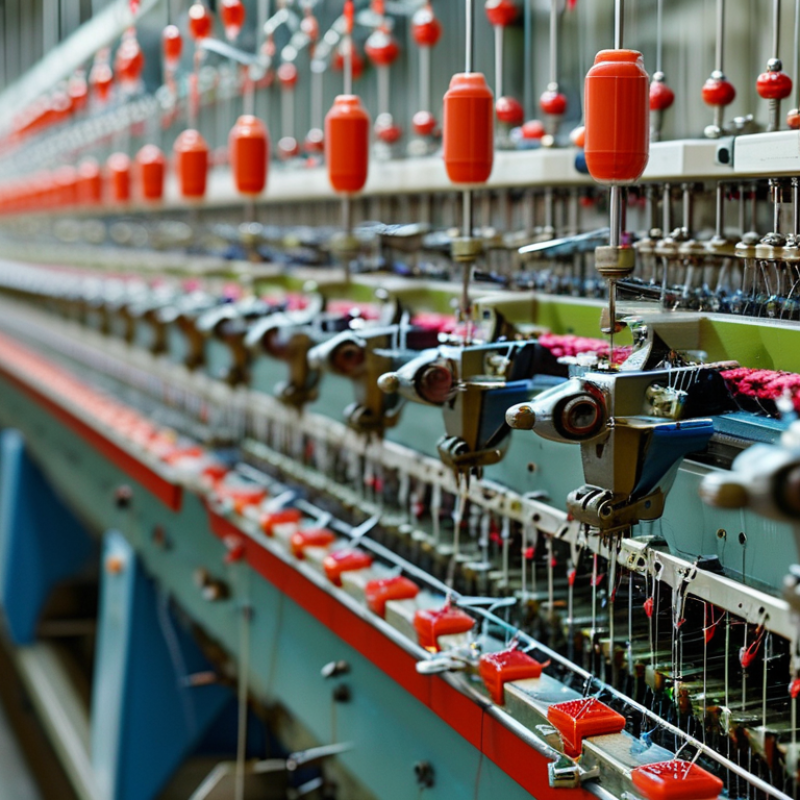
Hosiery knitting machines play a vital role in the textile industry. These machines are essential for producing various hosiery products, including socks, tights, and leggings. According to the Global Hosiery Market Report 2023, the industry's value is projected to reach $42 billion by 2026. This growth highlights the increasing demand for quality knitted products worldwide.
The importance of advanced hosiery knitting machines cannot be overstated. They enhance production efficiency and ensure consistent quality. A report by Textile Technology Magazine reveals that modern machines can reduce production time by up to 30%. Additionally, they allow for intricate designs and patterns, catering to diverse consumer tastes. Investing in high-quality machines can directly impact profitability and market reach.
As the industry evolves, manufacturers must adapt. There are ongoing concerns about sustainability and waste management in textile production. While many new machines focus on efficiency, some still produce significant waste materials. Buyers should consider machines that incorporate eco-friendly technologies. Balancing efficiency and sustainability will be crucial for future growth.
When considering hosiery knitting machines, a few key features stand out. The machine's gauge affects the knit thickness. A finer gauge creates delicate products, while a coarser gauge suits thicker fabrics. Buyers should evaluate their target market's needs. Understanding yarn types is critical, as different yarns require specific needle and tension settings.
Automation is another vital element. Machines with programmable controls offer flexibility. This allows quick adjustments for various designs. However, automation can create complexities. Operators may need training to use advanced features effectively. The level of technical support is equally important. Manufacturers should provide clear guidance and troubleshooting resources. Knowing where to turn for help can impact production efficiency.
Consider the machine’s energy consumption as well. Energy-efficient models reduce operating costs but may have a higher upfront price. Balancing initial investment with long-term savings is essential. Additionally, look for durability and maintenance requirements. Machines that need frequent repairs can slow production lines. It's worth weighing the pros and cons thoroughly to make an informed choice.
In 2026, the hosiery knitting machine market sees major innovation and competition. Buyers must choose wisely among various brands and manufacturers. Understanding the technology behind these machines is crucial. Advanced features can significantly enhance production efficiency. Look for machines that offer customizable settings to meet specific needs.
Tips: Always review user feedback before purchasing. This will provide insight into the machine's performance and reliability. Consider visiting trade shows to see demonstrations in real-time. This can help you grasp the machine's capabilities better.
Several manufacturers focus on sustainability. Eco-friendly practices and materials are becoming more important. Machines that use less energy appeal to many buyers. However, not every manufacturer excels in this area. Researching each option can save you time and resources. The market is full of potential, but not every machine will meet your expectations. Choose wisely to ensure a successful investment.
| Machine Type | Production Capacity (pairs/hr) | Needle Count | Power Consumption (kW) | Price Range (USD) |
|---|---|---|---|---|
| High-speed Circular Knitting Machine | 800 | 144 | 10 | 25,000 - 30,000 |
| Computerized Flat Knitting Machine | 600 | 120 | 8 | 30,000 - 35,000 |
| Seamless Hosiery Knitting Machine | 500 | 96 | 5 | 20,000 - 25,000 |
| Multi-gauge Knitting Machine | 700 | 156 | 12 | 40,000 - 45,000 |
| Double Needle Bed Knitting Machine | 400 | 84 | 6 | 15,000 - 20,000 |
The hosiery knitting industry is undergoing a significant transformation. Technological innovations are at the forefront of this change, enhancing production efficiency and product quality. Advanced knitting machines now incorporate automation, enabling rapid shifts between different styles and sizes. This flexibility is vital for brands aiming to meet diverse consumer demands.
Moreover, the integration of smart technology is reshaping production lines. Sensors and AI-driven analytics allow manufacturers to monitor processes in real-time. These innovations help in identifying defects early, thus reducing waste. However, reliance on technology raises concerns about job security for skilled workers in traditional knitting roles.
Despite these advancements, challenges remain. Not all manufacturers can afford the latest machines, creating a technology gap. Smaller businesses may struggle to compete, risking market diversity. In the rush for innovation, it’s crucial to remember the importance of craftsmanship and human touch in hosiery production. Balancing technology with traditional skills will ultimately define the future of this industry.
The hosiery knitting machine market has been evolving rapidly, driven by consumer demand for quality. Recent reports highlight a 5% annual growth in this sector. This is indicative of a shift towards advanced technology. Buyers are increasingly interested in machines that offer precision and efficiency.
Investing in a high-quality hosiery machine requires understanding key market trends. A study by the Textile Machinery Manufacturers Association states that sustainable production is gaining traction. Eco-friendly machines are becoming vital for brands aiming to remain competitive. This means global buyers should prioritize energy-efficient models.
It’s essential to ask the right questions when selecting a machine. Evaluate production capacity, ease of use, and maintenance needs. Some buyers may overlook after-sales support, which can lead to operational challenges. Buyers should also consider the machine's versatility for various hosiery types. Balancing cost and quality is crucial in this decision-making process.
: Focus on advanced features and customizable settings that meet your specific needs.
Technology enhances efficiency and quality but may impact traditional jobs.
Yes, sustainable methods are increasingly vital and can attract consumer interest.
Trade shows offer real-time demonstrations, aiding understanding of machine capabilities.
User reviews provide insights into performance and reliability of the machines.
Smaller companies may struggle with technology costs, creating a competitive disadvantage.
Consider the availability of customer service and parts for maintenance.
Versatility is crucial for producing different hosiery types effectively.
Choosing based solely on cost may lead to operational challenges and poorer outcomes.
Yes, a blend of innovation and craftsmanship can enhance production quality.
Hosiery Knitting Machines play a crucial role in the textile industry, offering efficiency and precision in the production of various hosiery items. When selecting the right machine, buyers should consider key features such as the machine's versatility, speed, and ease of use. Understanding these parameters ensures optimal performance for diverse knitting needs.
In 2026, advancements in technology are set to revolutionize the hosiery knitting industry, with innovations enhancing production capabilities and sustainability. Market trends indicate a growing demand for high-quality, durable hosiery products, compelling global buyers to stay informed about the latest developments and buying tips to make effective purchasing decisions. By focusing on the essential aspects highlighted, buyers can navigate the competitive landscape of hosiery knitting machines with confidence.
Rainbowe