A sock machine can look affordable in a catalog and become costly after freight, installation, needles, and training are included. That is why comparing Price Sock Machine offers requires more than checking the headline figure. Buyers should compare machine gauge, cylinder options, production speed, pattern capability, warranty, spare-parts access, and after-sales support. Small details matter. A missing accessory can delay a production line.
The International Textile Manufacturers Federation’s International Textile Machinery Shipment Statistics (ITMSS) report tracks shipments across textile machinery categories, including circular knitting equipment. It offers useful context on equipment investment, but it is not a sock-machine price list. Treat shipment trends as market context, not proof that one quotation is fair. Request an itemized, dated quotation and confirm what the price includes. For example, ask whether the package covers the compressor, setup, operator training, and trial production. Those costs add up.
One point needs care: I cannot verify a named sock-machine pricing expert’s public quotation from the information available, so I will not invent one. A useful buyer-side principle is simple: “Compare the complete production package, not just the machine’s quoted price.” It is practical guidance, not a quotation attributed to an industry expert. The seven options ahead should therefore be judged by total ownership cost, supplier transparency, and fit for the buyer’s product and output targets. Even then, a low-risk choice is not always obvious; local service coverage can outweigh a small saving upfront.
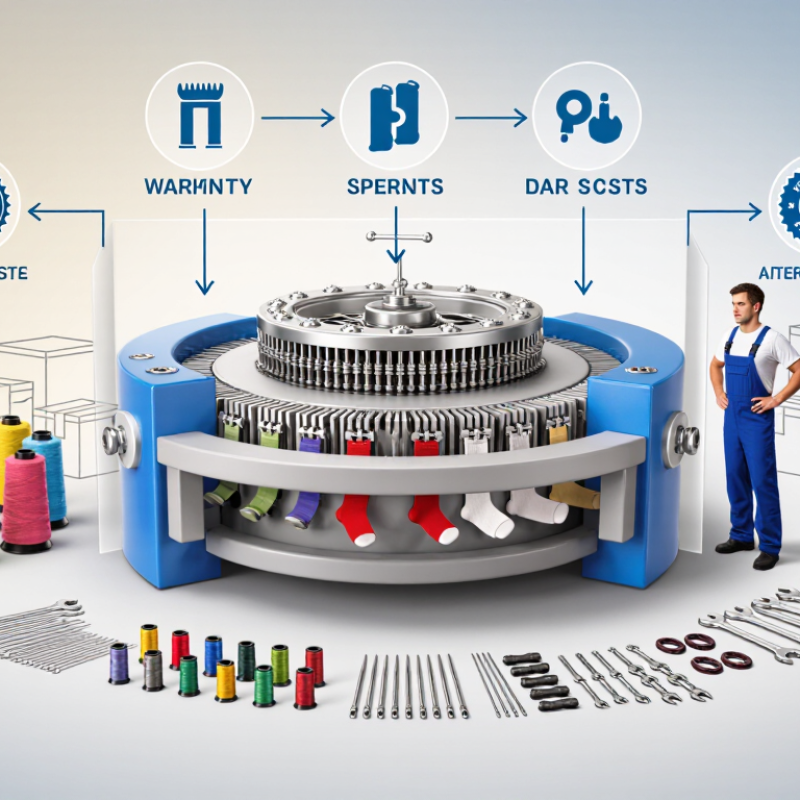
Global sock-machine prices depend on cylinder design, needle count, automation, and included tooling. As practical 2024–2025 buying benchmarks, new single-cylinder machines commonly list around USD 8,000–20,000 FOB; terry models, about USD 12,000–28,000. Double-cylinder machines often fall between USD 18,000 and 35,000, while computerized jacquard models can reach USD 25,000–55,000. Used machines may cost USD 3,000–15,000, but condition and control-system age matter. These are indicative supplier-listing ranges, not audited global averages. Freight, duties, installation, and spare needles can raise the landed cost.
The demand context is substantial. Grand View Research estimated the global socks market at USD 42.2 billion in 2023 and projected 6.4% annual growth through 2030 in its socks market report. That figure describes the product market, not machinery sales. For buyers, match the machine to the intended output: basic crew socks need fewer pattern features than fine-gauge athletic socks. A lower quote may omit software, training, or a compressor. Small details add up. Request a written configuration and sample-knit test before comparing offers. Prices can also shift with exchange rates and local service access; I would treat any single “global price” as a rough guide, not a promise.
These indicative global price ranges are in USD and vary with machine condition, cylinder configuration, automation, output capacity, and included accessories. Shipping, duties, installation, and training may add to the purchase cost.
A sock machine’s price depends on more than its hourly output. Needle count and cylinder diameter affect the range of sock sizes and fabric gauges it can produce. More feeders, electronic pattern selection, and automatic toe-closing can raise the purchase cost. So can compatibility with different yarns. Ask suppliers to specify supported yarn types, setup requirements, and included software. A low quote may exclude essentials.
Tips: Compare delivered, ready-to-run costs—not just machine prices. Check tooling, freight, installation, training, spare needles, and warranty coverage. Request a sample sock made to your specification. Small details matter.
Market conditions also shape quotes. ITMF’s 2023 International Textile Machinery Shipment Statistics reported 24,202 shipments of large circular knitting machines worldwide, down 31% from 2022. This category is broader than sock machines, so it is not a direct price index. It does show that textile equipment demand can shift sharply. Buyers should compare recent offers and verify lead times. A used machine may cost less upfront, but worn needles, outdated controls, or limited local service can make the real cost higher. Allow room for uncertainty.
Comparing seven sock machine options by price alone can lead to a costly mismatch. A basic manual model may suit a small trial run, while a computerized single-cylinder machine offers more pattern control. Double-cylinder models can produce different structures, but setup and operator skill matter. High-speed, multi-feed, and integrated automated options may raise output and purchase cost. A seventh option, a configurable mid-range machine, can balance features and budget. Ask suppliers for written specifications and comparable quotations.
Check what each price includes: needles, spare cylinders, software, installation, training, shipping, and warranty support. Compare usable output, not just advertised speed. Run the same yarn and sample design on shortlisted machines, then inspect heel shaping, toe closure, and fabric consistency. A tidy spreadsheet can still miss downtime or operator learning time. I would treat early cost estimates as provisional; actual production conditions may change the ranking.
Tips: Request a sample, confirm compatible yarn counts, and calculate landed cost. Keep a little budget for spare needles. Small parts matter.
A sock machine’s purchase price rarely reflects its landed cost. Ask for separate estimates covering crating, port handling, insurance, customs brokerage, and delivery to the workshop. UNCTAD’s Review of Maritime Transport 2024 reported that Shanghai–Europe spot container rates rose 256% between early December 2023 and mid-January 2024. That volatility is a warning, not a freight quote. Request a current shipping rate, its validity period, and the container dimensions before comparing suppliers.
Installation can add technician travel, accommodation, electrical work, air-line connections, and operator training. Confirm what the supplier includes, and whether local technicians can complete setup. The World Bank’s Logistics Performance Index 2023 gave Singapore a score of 4.3 out of 5, illustrating that logistics performance varies by destination. Maintenance also needs a realistic allowance: budget for needles, cylinders, lubricants, and scheduled servicing, then check lead times for replacement parts. Keep a few common spares on site. It may seem overly cautious, but a machine stopped for a small part can cost more than the part itself. Annual service costs are hard to predict without operating hours and local labor rates, so treat early estimates as provisional.
A sock machine’s quoted price is only one part of the buying decision. Compare machines with similar needle counts, cylinder diameters, and knitting speeds; otherwise, a low figure may hide a major specification difference. Ask each supplier for a written quotation that lists included needles, spare parts, software, installation, and operator training. Small details matter. A missing accessory can delay production.
Evaluate the supplier as carefully as the machine. Request a live demonstration using the yarn types and sock patterns you plan to produce. Watch how the machine handles heel shaping, toe closing, and a change between styles. Ask for sample socks, maintenance schedules, warranty terms, and typical lead times for replacement parts. Clear answers are useful; vague promises deserve follow-up. Check whether technical support is available in your working hours and language.
Calculate the full cost, including freight, setup, utilities, and likely maintenance—not just the purchase price. A simple spreadsheet can help compare offers, though it may miss downtime or training needs. That is worth reviewing twice. If possible, speak with a current user who makes similar products. One supplier’s machine may suit high-volume basics, while another setup may better handle frequent design changes. The “best” price depends on output, support, and the work the machine must actually do.
New single-cylinder models commonly list for USD 8,000–20,000 FOB. Terry models often cost USD 12,000–28,000. Freight and setup are extra.
Double-cylinder machines often range from USD 18,000–35,000. Computerized jacquard models can reach USD 25,000–55,000. These are rough benchmarks, not guarantees.
Used machines may cost USD 3,000–15,000. Check the condition and age of the control system. A low price can hide repair needs.
Compare needle count, cylinder diameter, speed, and included tooling. Check for software, spare needles, installation, training, and warranty support. Details add up.
Ask for a live demonstration using your yarn and sock design. Inspect the heel shaping, toe closure, and fabric consistency. Request a sample, too.
Include freight, duties, setup, utilities, and likely maintenance. Allow room for spare needles. A spreadsheet helps, but may miss downtime.
Basic crew socks usually need fewer pattern features than fine-gauge athletic socks. Frequent style changes may call for more pattern control. I would test this assumption.
Ask about replacement-part lead times, maintenance schedules, and support hours. Speak with a current user making similar products, if possible. Clear answers matter.
Choosing the right sock machine requires balancing price, production needs, and expected product quality. Global buyers can compare machine types by their typical price ranges, then consider how factors such as knitting capacity, automation, configuration, and intended output affect the total cost. A useful Price Sock Machine comparison should look beyond the purchase price: assess what each of seven machine options can produce and whether its capabilities match your planned production volume and sock designs.
Shipping, installation, training, spare parts, and ongoing maintenance can significantly change the overall investment. Before making a decision, request clear quotations, confirm what is included, and compare supplier communication, technical support, warranty terms, and delivery arrangements. Evaluating both upfront and long-term costs helps buyers identify a suitable machine without paying for unnecessary capabilities. The best choice is one that meets production requirements, fits the available budget, and comes with dependable support.

Rainbowe