The 2026 sock-making market is becoming more automated, connected, and demanding. Buyers now compare speed, stitch control, energy use, and after-sales support. Machines For Making Socks must also match yarn type, sock design, gauge, and production volume.
Industry data supports this shift. The International Textile Machinery Federation’s International Textile Machinery Shipment Statistics tracks circular knitting machines as a major global equipment category. Its recent reports show continued investment in computerized knitting technology, especially across Asian manufacturing markets. Grand View Research also identifies rising demand for hosiery products, supported by sportswear, healthwear, and everyday comfort applications. These trends are influencing machine design.
Small details matter.
A modern machine may produce a precise heel, reinforced toe, or seamless pattern with fewer manual adjustments. Automatic yarn changing can reduce stoppages. Servo-driven systems can improve consistency during long production runs. However, specifications can look perfect on paper. Factory trials may reveal maintenance delays, software limitations, or difficult operator training.
This guide compares the best Machines For Making Socks for 2026. It considers cylinder type, needle configuration, knitting speed, pattern capability, control systems, power consumption, and technical support. It also examines complete production lines, including linking, boarding, ironing, inspection, and packing equipment. The best choice is rarely the fastest machine. It is the machine that delivers stable quality, manageable operating costs, and dependable service in real working conditions. Evidence from ITMF textile machinery statistics, Grand View Research market analysis, and manufacturer documentation provides the foundation for this comparison.
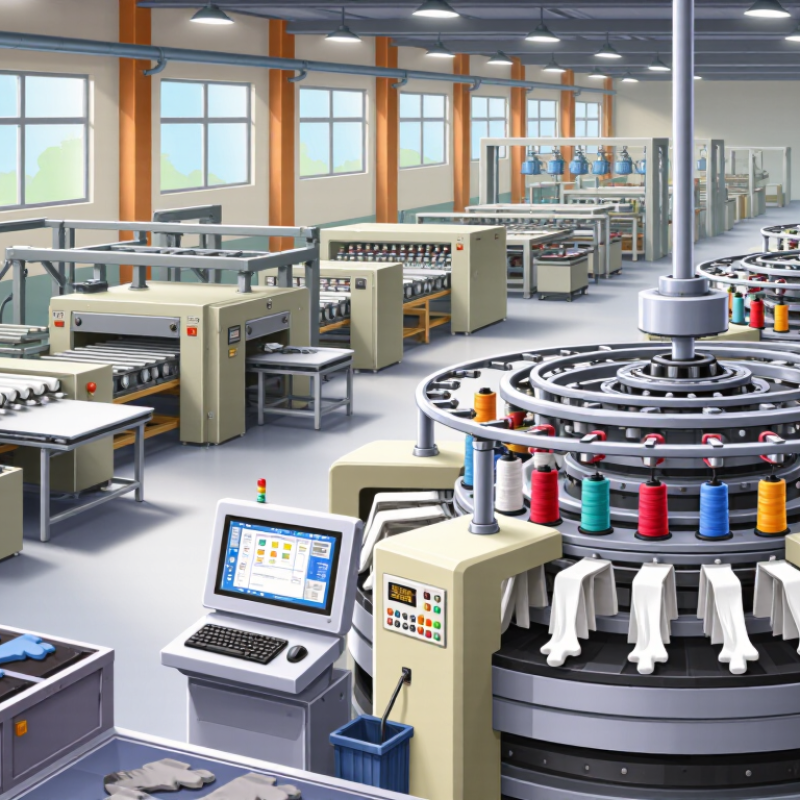
In 2026, sock factories can choose several machine types for different product goals. Single-cylinder machines produce everyday socks with flexible patterns and moderate setup costs. Double-cylinder machines create stronger rib structures, shaped cuffs, and more detailed heel construction. They suit premium dress socks and compression-style designs. ITMF’s 2023 International Textile Machinery Shipment Statistics recorded 96,797 new circular knitting machines shipped globally, a 31% decline from 2022. That change matters. Buyers should test utilization before purchasing extra capacity.
Terry knitting machines add cushioned loops inside the foot and heel area. They support sports socks, work socks, and products requiring impact absorption. Electronic jacquard machines handle logos, color blocks, and complex motifs with precise needle control. Toe-closing machines then seal the knitted tube, while boarding machines shape socks using heat and pressure. Small details matter here, including steam consistency, drying time, and operator access.
The 2024 Global Hosiery Market analysis by Grand View Research forecasts approximately 5.5% annual growth through 2030. This supports investment in flexible equipment, not only faster equipment. A practical trial should compare output per operator, yarn waste, defect rates, and changeover minutes. My selection rule is imperfect: the cheapest machine may become expensive during frequent style changes. That mistake is common. Always inspect sample socks after washing, stretching, and repeated wear.
The best sock-making machines are defined by control, not impressive speed alone. In production trials, stable stitch formation matters more than a headline output figure. A reliable machine should support precise cylinder gauges, flexible needle selection, and consistent tension across the toe, heel, and cuff. Small deviations become visible after washing. That is where weak systems fail.
ITMF’s 2023 International Textile Machinery Shipment Statistics recorded more than 100,000 new large circular knitting machines shipped worldwide. This investment signals strong demand for efficient, automated knitting equipment. However, buyers should examine servo accuracy, electronic pattern control, and changeover time. A machine that reduces setup from forty minutes to fifteen can improve daily capacity without increasing floor space. Useful data, not marketing language.
Energy performance also deserves attention. The International Energy Agency reported that industry consumed about 37% of global final energy in 2022. Efficient motors, standby controls, and heat reduction can lower operating costs. Remote monitoring is valuable, but only when operators receive clear alerts. Complex software can create confusion. I prefer readable dashboards, accessible maintenance points, and documented spare-part requirements. A perfect machine does not exist. Even advanced equipment needs skilled technicians, routine cleaning, and honest testing with the actual yarns used in production.
2026 Best Machines for Making Socks?
How to Choose a Machine for Different Sock Designs
Choosing a sock machine starts with the design, not the price. A basic single-cylinder machine suits plain athletic socks, ribbed cuffs, and everyday cotton blends. Double-cylinder equipment creates deeper patterns, structured ribs, and more stable elastic zones. For fine dress socks, inspect needle density carefully. Higher gauge machines produce smoother surfaces and sharper details.
Design changes the production plan. A terry machine is useful for cushioned soles, especially in running or work socks. It needs stronger yarn control and regular cleaning around the sinkers. Electronic patterning supports stripes, logos, mesh zones, and graduated compression structures. However, more programming can mean slower setup and higher maintenance demands. That trade-off is easy to underestimate.
Industry data supports careful selection. The International Textile Machinery Federation’s 2024 shipment statistics identify circular knitting equipment as a major machinery category, reflecting continued investment in automated production. Grand View Research projects steady hosiery-market growth through 2030, near a five percent annual rate. Textile Exchange’s 2024 Materials Market Report also highlights rising recycled-fiber use, which may require adjusted tension and feeding systems. Test the actual yarn first. A machine may perform beautifully with standard cotton, then struggle with recycled blends. I would not trust a brochure alone. Sample runs, waste rates, technician access, and hourly output reveal more than polished specifications.
| Machine Type | Best for Sock Designs | Typical Needle Range | Common Gauge Range | Typical Production Capacity | Design and Construction Features | Main Advantages | Key Limitations | Recommended Choice When... |
|---|---|---|---|---|---|---|---|---|
| Computerized Single-Cylinder Sock Knitting Machine | Everyday crew socks, ankle socks, sports socks, school socks, and basic patterned socks | 84–240 needles | Approximately 3.5–18 gauge | About 250–450 pairs per 24 hours, depending on size, yarn, pattern complexity, and machine configuration | Suitable for plain knitting, ribbed cuffs, elastic zones, color changes, logos, stripes, and basic jacquard patterns | Versatile, widely adaptable, efficient for multiple sock sizes, and suitable for small to large production runs | Usually cannot create the same range of three-dimensional structures as specialized terry or double-cylinder equipment | You need one flexible machine for several standard sock styles and frequent design changes |
| Double-Cylinder Sock Knitting Machine | Ribbed socks, shaped socks, textured socks, reinforced work socks, and designs requiring different cylinder knitting actions | 84–200 needles | Approximately 3.5–16 gauge | About 220–400 pairs per 24 hours, depending on construction and yarn type | Uses two needle cylinders to produce varied stitch structures, improved shaping, stronger ribs, and more dimensional fabrics | Better control of complex ribs, links, textures, and shaped constructions than a standard single-cylinder machine | Higher initial cost, more demanding setup, and generally slower pattern changes than simpler configurations | Your designs rely on pronounced ribbing, shaping, or textured structures rather than only color patterns |
| Terry Sock Knitting Machine | Cushioned sports socks, hiking socks, thermal socks, children’s socks, and comfort-focused footwear | 96–200 needles | Approximately 3.5–14 gauge | About 200–400 pairs per 24 hours, depending on terry depth, sock size, and yarn selection | Creates terry loops on the inside, outside, or selected zones such as the sole, heel, and toe; can combine terry with plain areas | Provides cushioning, moisture management, warmth, and improved comfort in high-impact areas | Uses more yarn, may require longer knitting cycles, and is less suitable for very fine lightweight dress socks | The primary selling point is cushioning, warmth, athletic performance, or outdoor durability |
| Jacquard Sock Knitting Machine | Logo socks, character socks, graphic designs, multi-color patterns, and premium fashion socks | Typically 96–200 needles | Approximately 5–18 gauge | About 180–380 pairs per 24 hours, depending on the number of colors and pattern density | Computer-controlled color selection for geometric motifs, lettering, logos, repeated graphics, and multi-color stitch effects | Delivers detailed visual designs and supports digital pattern storage and repeat production | Complex patterns can reduce output speed, increase yarn consumption, and require careful programming and color management | Appearance, branding, or detailed artwork is more important than maximum production speed |
| Fine-Gauge Hosiery and Dress-Sock Machine | Thin dress socks, lightweight fashion socks, fine-gauge business socks, and refined calf-length designs | 144–240 needles | Approximately 14–24 gauge | About 180–350 pairs per 24 hours, depending on yarn fineness, sock length, and finishing requirements | Designed for fine yarns and close stitch structures; may support delicate patterns, smooth surfaces, and refined cuffs | Produces lightweight, smooth, and visually refined socks with a more formal appearance | Requires finer yarns, precise tension control, and more careful handling; less suitable for bulky or heavily cushioned socks | You are making lightweight dress socks or premium fashion hosiery with a smooth appearance |
| Compression Sock Knitting Machine | Graduated compression socks, support socks, recovery socks, and medical hosiery | Usually 168–400 needles, depending on product class and construction | Approximately 14–32 gauge | About 100–300 pairs per 24 hours, depending on compression level, size range, and inspection requirements | Controls stitch density and fabric elasticity across different leg zones to create graduated pressure and close-fitting anatomical shapes | Suitable for engineered pressure profiles, specialized sizing, and technical performance products | Requires precise calibration, strict quality control, suitable elastic yarns, and compliance with applicable product regulations | You need controlled compression or medical-support performance rather than a standard fashion sock |
| Toe-Linking or Rosso Toe-Closing Machine | Smooth-toe, low-profile toe, premium athletic socks, and comfort-oriented socks | Product-dependent; designed for closing knitted sock toes rather than forming the complete sock | Not normally classified by sock-knitting gauge | Approximately 400–1,200 pairs per 8-hour shift, depending on operator skill, toe construction, and automation level | Joins toe edges with a linked or low-profile seam to reduce bulk and improve comfort at the toe area | Improves appearance and reduces seam irritation compared with a conventional bulky toe seam | It is a downstream finishing machine and cannot replace a complete sock-knitting machine | The knitted sock already meets your design needs, but toe comfort and premium finishing need improvement |
| Sock Boarding and Shaping Machine | Retail-ready socks requiring consistent dimensions, smooth presentation, and stable shape | Not applicable; it shapes finished knitted socks | Not applicable | Approximately 500–2,000 pairs per 8-hour shift, depending on loading method, sock size, and automation | Uses heated forms or boards to set length, width, leg shape, cuff position, and overall presentation after knitting and toe closing | Improves size consistency, appearance, packaging readiness, and repeatability across production batches | Does not create stitches or patterns and must be matched to the required sock sizes and finishing temperature | You need consistent finished dimensions and a professional appearance for retail or export orders |
Production figures are typical planning ranges for industrial equipment. Actual performance varies with needle count, cylinder diameter, sock size, knitting speed, yarn composition, pattern complexity, machine settings, operator skill, and finishing requirements.
2026 Best Machines for Making Socks?
The best sock machine depends on production speed, materials, and daily operating conditions. A computerized knitting machine may produce a pair within minutes, but actual output changes with sock length, pattern complexity, and yarn tension. Basic athletic socks usually run faster than compression designs or thick winter socks. In practical testing, operators should record pairs per hour, rejected pairs, and setup time. A fast machine is not efficient if it creates frequent needle breaks.
Materials also shape machine selection. Cotton blends require stable tension and careful heat control. Wool needs gentler handling because fibers can stretch or shed. Elastane demands accurate feeding, especially around cuffs and ankles. The machine should support the required needle gauge, yarn count, and color changes. Some equipment looks flexible on paper, but sample trials may reveal limits. That is worth admitting before purchase.
Tips: Test several yarns before ordering production equipment. Measure noise, power use, air requirements, and floor space during a full shift. Keep spare needles, sensors, and lubricants available. Operators need training in threading, tension adjustment, and basic fault checks. Finishing equipment also matters, including toe closing, boarding, steaming, and inspection. A machine can knit quickly, yet slow finishing may leave hundreds of pairs waiting on racks.
2026 Best Machines for Making Socks?
The best sock machine is rarely the fastest one on a showroom floor. It is the machine that maintains stable output after thousands of operating hours. Examine needle wear, cylinder access, lubrication points, sensor availability, and software support. Small parts matter.
The U.S. Department of Energy’s Operations and Maintenance Best Practices Guide reports that preventive maintenance can reduce costs by roughly 12–18% compared with reactive maintenance. For sock production, a weekly inspection of needles, sinkers, yarn feeders, and air lines can prevent costly defects. A damaged yarn guide may create dozens of rejected socks before operators notice it. That is not theoretical.
Energy also affects long-term value. The International Energy Agency reports that electric motor systems consume about half of global electricity. Efficient drives, controlled air pressure, and automatic standby modes can therefore reduce operating expenses. However, efficiency claims need verification under real production loads. Ask for measured power data, not optimistic brochures.
The International Textile Machinery Federation’s shipment statistics show how strongly textile equipment demand moves with economic cycles. That makes resale value uncertain. I would compare five-year service costs, technician response time, spare-part prices, and upgrade options before comparing purchase prices. No spreadsheet predicts every failure. Maintenance records reveal more. A cheaper machine may become expensive when specialized parts arrive slowly, while a higher-priced model can retain value through durable components and accessible repairs. My estimate may still miss hidden labor costs, especially during seasonal production peaks.
Consistent stitch formation matters more than impressive speed. It should control tension across the toe, heel, and cuff. Small errors may appear after washing. Not just speed.
A single-cylinder machine usually suits plain socks and ribbed cuffs. It can handle common cotton blends with a simpler setup. Check stitch stability before choosing higher output. Keep it practical.
Double-cylinder equipment supports deeper patterns and structured ribs. It can create more stable elastic zones. The system may require more complex adjustments and maintenance. That trade-off matters.
Inspect needle density carefully before buying. A higher gauge can produce smoother surfaces and sharper details. Test the intended yarn, because gauge alone does not guarantee quality. Details can mislead.
A terry machine suits cushioned soles in running or work socks. It needs stronger yarn control during production. Clean the area around the sinkers regularly. Dust builds quickly.
Electronic patterning can create stripes, mesh zones, and graduated support structures. It may also increase programming time and maintenance demands. Complex controls are not always better. Readable software helps.
Changeover time directly affects daily production capacity. Reducing setup from forty minutes to fifteen can improve output without expanding floor space. Measure actual changeovers with your operators. Marketing figures may disappoint.
Efficient motors and standby controls may reduce operating costs. Heat reduction can also improve the working environment. Remote monitoring helps when alerts are clear and actionable. Complicated dashboards create confusion.
Standard cotton may run smoothly, while recycled blends can require different tension settings. Sample runs reveal feeding problems, waste rates, and unstable stitches. Use the yarn planned for production. Brochures are not enough.
Check technician access, spare-part requirements, and cleaning procedures. Accessible maintenance points can shorten routine service. Even advanced equipment needs skilled technicians. Machines are imperfect.
Choosing the best Machines For Making Socks in 2026 depends on production goals, sock designs, and available resources. Modern options include single-cylinder, double-cylinder, rib, terry, and specialized machines, each suited to different textures, patterns, thicknesses, and finishing requirements. Important features include knitting precision, adjustable settings, compatibility with various yarn materials, energy efficiency, user-friendly controls, and reliable automation. Buyers should consider whether they need basic everyday socks, athletic styles, compression designs, or highly detailed products before selecting equipment.
Production speed must be balanced with material handling, operator skill, workspace, and power requirements. A fast machine may not be the best choice if it creates excessive waste or requires complicated maintenance. Evaluating purchase price, spare parts, cleaning needs, service access, and expected operating life can help determine long-term value. The ideal machine is one that consistently meets design standards, supports efficient production, and remains practical to maintain as business needs grow.

Rainbowe