Choosing the best sock making machine requires more than comparing prices, needle counts, or attractive product photos. A reliable decision begins with your actual production goals. Consider the sock types, daily output, yarn materials, and size range your workshop must handle. Cotton crew socks need different settings from compression socks or thick winter designs. Small details matter.
During machine evaluations, examine knitting speed, cylinder options, electronic controls, maintenance access, and spare-part availability. A machine that runs quickly but produces uneven heels can create costly waste. Ask suppliers for sample socks made with your preferred yarn. Inspect the toe closure, rib tension, stitch definition, and fabric recovery by hand. Test it carefully.
Experienced manufacturers also review operator training and long-term service support. Clear manuals, responsive technicians, and accessible replacement parts can protect production during busy seasons. Energy use deserves attention too, especially when several machines operate for long hours. Industry certifications and documented testing may provide useful evidence, but they should not replace practical trials.
The phrase “Making Machine Socks” may sound unusual, yet it reflects an important point: the machine must match the socks you intend to make. There is no universally perfect model. A compact machine may suit a growing workshop, while a high-output system may better serve a large factory. I would not rely on one brochure or one online review. Real performance can vary with yarn quality, operator experience, and maintenance habits. Compare verified specifications, request demonstrations, and calculate total ownership costs before committing. A thoughtful choice may feel slower now, but it can prevent repeated repairs and inconsistent production later.
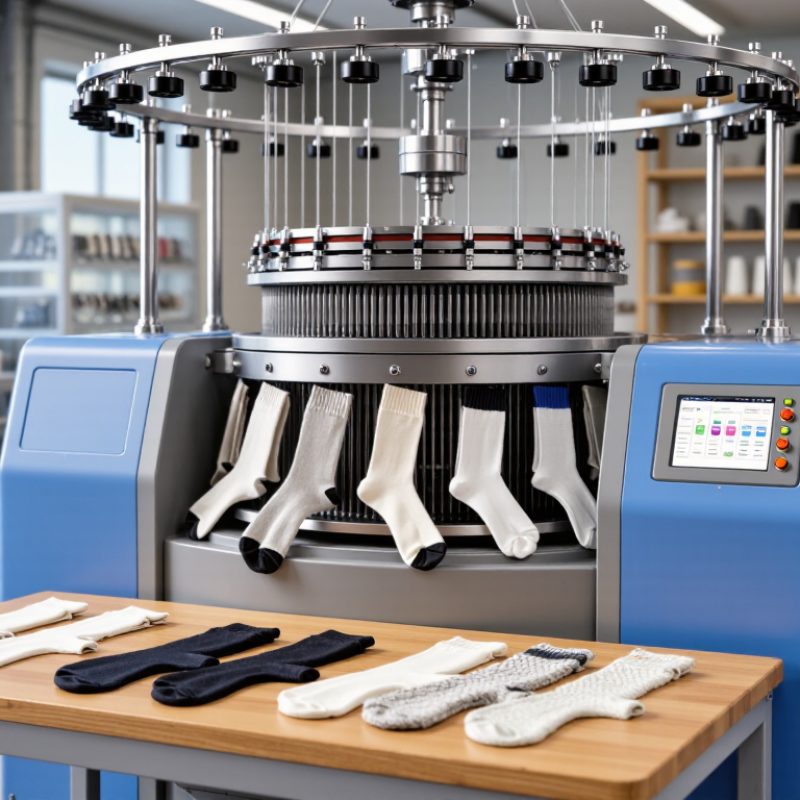
Choosing the best sock making machine starts with a clear production definition. Do not begin with the machine catalog. Begin with the socks you plan to sell. Measure daily demand, target sizes, sock length, patterns, and yarn types. A small workshop may need flexible sampling, while a factory needs stable, high-volume output. Record seasonal changes too. A machine sized for peak demand may sit idle for months. That is an expensive assumption.
Turn these needs into measurable specifications. Check cylinder diameter, needle range, feed systems, knitting speed, and pattern functions. Fine-gauge needles can create lightweight dress socks, while wider gauges suit thicker sports styles. Confirm whether the machine handles cotton, wool blends, elastic yarn, or recycled fibers. Ask for samples made with your actual yarn. Catalog images can hide tension problems. Calculate labor, power use, space, and maintenance access. Operators need room for cleaning and adjustments.
Tips: Build a production sheet before requesting quotations. List pairs per hour, defect tolerance, changeover time, and working hours. Leave room for maintenance. Speak with experienced technicians, not only sales staff. Request details about needle replacement, training, software support, and spare-part availability. If possible, inspect a working machine and watch one full changeover. I once underestimated setup time. The output looked strong, but the schedule failed. That mistake changed the specification more than promised speed.
Sock machine types determine production speed, fabric variety, and operating skill. Single-cylinder machines suit standard athletic socks and basic rib structures. They are simpler to adjust and often easier for new operators. Double-cylinder machines create more complex textures, including thicker ribs and shaped designs. However, they demand closer needle alignment and more careful maintenance. Electronic machines offer programmable patterns, automatic color changes, and precise size control. Mechanical models usually cost less, but they require more manual settings.
Compare the machine’s gauge, needle count, feeders, and cylinder diameter. A fine gauge produces lightweight dress socks, while a coarse gauge supports warm, heavy socks. Check whether the machine handles terry loops, mesh zones, elastane, and reinforced heels. Toe closing may be integrated or require a separate process. That difference affects labor planning.
Ask for a sample knitted at your intended speed. A showroom demonstration can look perfect, yet real production may reveal yarn breaks or uneven tension.
Operator experience also matters. A highly automated machine is not always the best choice. Small workshops may prefer accessible controls and replaceable parts. Larger factories may need data monitoring, automatic fault alerts, and faster pattern changes. Review service response, training quality, and maintenance access before purchasing. Do not judge only by output per minute. Energy use, setup time, rejected socks, and operator fatigue can change the actual cost. My comparison would remain incomplete without testing several yarn types, because one machine may perform well with cotton but struggle with elastic blends.
Choosing the best sock making machine requires more than comparing prices or attractive specifications. Machine quality appears in the frame, needle bed, sensors, and finishing details. A rigid frame reduces vibration during long production runs. Check whether the needle bed moves smoothly and evenly. Small metal burrs can damage yarn and create uneven loops. Ask for maintenance records and inspect machines while operating, not only when they are clean.
Speed matters, but output figures can mislead. A machine running at maximum speed may produce more defects and require frequent stops. Test it with your planned sock designs and record usable pairs per hour. Examine toe closure, cuff tension, and pattern consistency. Precision is especially important for stripes, logos, and different sizes. Inspect several pairs from the same batch. If stitch density changes between the heel and ankle, the control system may need adjustment.
Material compatibility should match your real production needs. Test cotton, wool blends, nylon, elastane, and recycled yarn separately. Each material creates different tension, friction, and heat responses. A machine should offer flexible settings for yarn feed, stitch density, and needle selection. Bring your own yarn samples to the trial. This reveals problems that showroom materials can hide. Do not ignore noise, cleaning access, or operator training. These details affect reliability every day. No machine is perfect. I would still question any model promising flawless results without skilled setup and regular inspection.
Choosing the best sock making machine requires more than comparing purchase prices. Operating costs often shape profitability over several years. Check electricity use, compressed air needs, needle replacement, lubrication, and daily labor. A cheaper machine may consume more power or produce more defective socks.
Ask for a realistic production calculation. It should include yarn waste, setup time, routine cleaning, and unexpected stoppages. In a practical assessment, record output during a full shift, not just during a short demonstration. Also compare the cost of common spare parts, such as needles, selectors, and belts. Small parts add up quickly. I once underestimated downtime during cleaning, and the calculation became too optimistic.
Maintenance should be simple enough for trained operators to handle safely. Look for clear service instructions, accessible components, and a maintenance schedule with daily and monthly tasks. Training should cover machine settings, fault detection, lubrication, and fabric inspection. A two-hour introduction is rarely enough for new operators. Hands-on practice matters.
Technical support is equally important. Confirm response times, remote diagnostic options, spare-part availability, and warranty conditions before ordering. Request training materials in a language your team understands. Keep written records of faults and repairs; they reveal recurring problems that memory often misses. Support quality can vary, even when sales promises sound excellent. That deserves careful questioning.
Selecting a sock making machine should begin with your production goals, not the lowest purchase price. A cheaper machine may reduce initial pressure, but slower output can increase labor costs over several years. Check knitting speed, compatible yarn types, power consumption, maintenance access, and expected service life. These details affect every production day.
A small workshop may need a flexible machine for varied designs and limited orders. A growing factory may benefit from automation, higher needle capacity, and stable output. Calculate the full cost, including installation, spare parts, training, electricity, and downtime. Keep a realistic reserve for repairs. No calculation is perfect. I would rather underestimate sales than overestimate them.
Tips: Compare three-year operating costs, not only the invoice price. Ask for sample socks made with your planned yarn and patterns. Inspect the control panel and test adjustment procedures before buying. Record estimated daily output under normal conditions, not ideal showroom settings. A machine that produces 600 pairs daily sounds impressive, but quality checks may reduce usable output. Leave room for learning. Operators need time to correct tension, alignment, and pattern settings. Long-term production rewards dependable performance more than impressive specifications.
Check the frame, needle bed, sensors, and finishing details. A rigid frame reduces vibration during long runs. Look for smooth movement and small metal burrs. Burrs can damage yarn.
Not always. High speed may create defects and frequent stops. Test your actual sock designs and record usable pairs per hour. Normal output matters more than showroom speed.
Inspect toe closure, cuff tension, and pattern consistency. Compare several pairs from one batch. Uneven stitch density may show control or adjustment problems.
Test cotton, wool blends, nylon, elastane, and recycled yarn separately. Each yarn changes tension, friction, and heat response. Bring your own samples.
Look for adjustable yarn feed, stitch density, and needle selection. These controls help manage different yarn behaviors. Still, flexible settings cannot replace skilled setup.
Choose flexible equipment for varied designs and limited orders. Check maintenance access, power use, training needs, and compatible yarns. A simpler machine may fit better.
Include installation, spare parts, training, electricity, repairs, and downtime. Compare estimated operating costs across three years. Keep a repair reserve.
Record output under normal conditions, not ideal showroom settings. A machine producing 600 pairs may deliver fewer usable pairs after quality checks. Leave room for learning.
Choosing the best sock making machine starts with a clear understanding of your production needs. Consider the types, sizes, patterns, and quantities of socks you plan to manufacture, then identify the machine specifications required for your operation. Compare different machine types by examining their available functions, automation levels, flexibility, and ease of use. A suitable machine should deliver consistent quality, efficient production speed, accurate knitting, and compatibility with the materials you intend to use.
It is also important to evaluate the total cost of ownership, including energy use, spare parts, maintenance, operator training, and technical support. Reliable service and accessible guidance can reduce downtime and improve long-term productivity. Whether you are starting a small workshop or expanding a larger production line, select a machine that matches your current budget while supporting future growth. By balancing performance, durability, operating costs, and production goals, you can make a confident investment in a Making Machine Socks solution that provides stable results and lasting value.

Rainbowe