In 2026, the socks manufacturing industry is poised for transformative advancements. Socks manufacturing machinery is evolving rapidly, driven by technology and sustainability. This evolution will help manufacturers meet growing consumer demands for efficiency and quality.
The integration of smart technologies is at the forefront. Machinery equipped with AI and IoT capabilities will enhance production processes. This transition promises greater accuracy and reduced waste. However, not all manufacturers are ready to embrace this change. Many lack the necessary skills and knowledge.
Sustainability is another critical focus. Eco-friendly materials and energy-efficient machinery are gaining traction. Consumers are increasingly demanding responsible production practices. Yet, balancing cost and sustainability remains a challenge for many manufacturers. Reflecting on these developments is essential as the industry navigates its path forward.
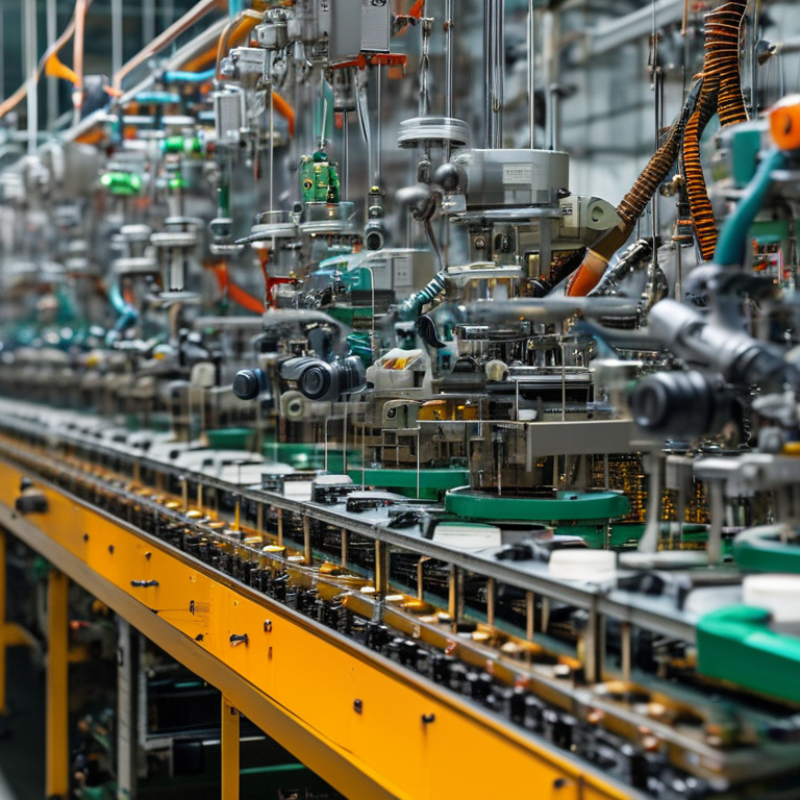
The evolution of socks manufacturing machinery is heading towards innovation and efficiency. By 2026, advanced technologies will reshape production processes significantly. Automation stands out as a crucial trend. New machines will likely integrate artificial intelligence for pattern recognition and quality control. This evolution can lead to reduced human error in production, ultimately ensuring higher quality products.
Digitalization remains a key player in this machinery landscape. Real-time data analytics will allow manufacturers to monitor machine performance and optimize operations. This capability can enhance productivity but poses a challenge in terms of workforce adaptation. Training employees to work alongside advanced technology may require a cultural shift within organizations.
Finally, sustainability in manufacturing is gaining traction. Machines that consume less energy and use eco-friendly materials are becoming more relevant. While this trend is promising, some manufacturers may face difficulties in upgrading outdated equipment. Balancing investment in new technology with sustainability goals is a pressing concern for many in the industry.
Sustainability is reshaping the socks production landscape. By 2026, the demand for eco-friendly materials in sock manufacturing is expected to rise significantly. Reports indicate that 70% of consumers prefer sustainable products. This shift influences machinery innovations in the industry.
New technologies are being developed to reduce waste. For instance, knitting machines designed for minimal fabric loss can help lower material costs. Additionally, waterless dyeing techniques are becoming more common. A study published in 2023 suggested that these methods could reduce water usage by up to 95%. These advancements are essential as water scarcity becomes a pressing issue.
However, challenges remain. Not all manufacturers can afford new machines. Some may need financial support to transition to sustainable practices. There is also a lack of industry standards for eco-friendly certifications. As companies improve sustainability, transparency in supply chains will be crucial. Stakeholders must collaborate to enhance credibility in green claims.
The impact of automation and robotics on socks manufacturing processes is undeniable. As the industry evolves, these technologies drive efficiency and quality. According to a recent industry report by Market Research Future, the global sock manufacturing machinery market is expected to reach $6 billion by 2026. This growth is fueled by automation solutions that streamline production lines and reduce manual labor. With advanced robotic systems, manufacturers can enhance precision while minimizing human error.
Automation leads to reduced cycle times, enabling businesses to meet growing consumer demand. For example, robotic machines are now capable of knitting precise patterns with minimal downtime, which boosts the overall production rate. However, transitioning to automated systems may pose challenges. Companies must invest in training personnel to operate and maintain these technologies. This shift can be difficult, especially for small manufacturers with limited budgets.
Tips: Embrace automation gradually. Analyze your production needs before investing. Consider robotics as a long-term solution rather than a quick fix. Regular maintenance of machinery is crucial to avoid unexpected downtime. Manufacturers should remain flexible and adapt to changing technologies for sustained growth.
In 2026, socks production technology will heavily focus on customization and personalization. Consumers desire unique products that reflect their individuality. The machinery used in manufacturing socks will adapt to these preferences, allowing for intricate designs and personalized fits. Customization involves more than just color choices. It requires advanced knitting techniques and machine capabilities.
Personalization goes further by considering various materials and comfort levels. Automated systems will offer options for unique patterns and sizes. This trend reflects a growing demand for socks that not only serve a practical purpose but also express personal style. However, while customization brings opportunities, it presents challenges. Manufacturers may struggle to maintain efficiency while offering such wide customization. Balancing these factors will be crucial.
The market also expects eco-friendly practices to be integral to production. Sustainable materials will be essential while providing customization options. This need for sustainability requires continuous adaptation in manufacturing processes. Manufacturers must reflect on their methods to meet consumer expectations. The landscape of sock production will undoubtedly change, as companies must innovate to keep up.
The bar chart above illustrates the key manufacturing machinery trends in the socks industry for 2026. It highlights the growing demand for customization, the role of automation technology, the shift towards sustainable materials, integration with AI, and the development of smart textiles. Each trend reflects a percentage that indicates its anticipated impact on production methods.
The socks machinery market is evolving rapidly. Manufacturers face challenges like rising costs and technology integration. Traditional production methods may struggle to keep up with demands for efficiency and sustainability. Companies must adapt by investing in modern machinery that minimizes waste and energy consumption.
Opportunities arise from innovative technologies. Automation and digitalization are reshaping the landscape. Smart machinery can optimize production lines, reduce downtime, and enhance product quality. Embracing these trends positions manufacturers for growth. However, the transition may involve a steep learning curve for some companies.
Tips for navigating this landscape: Invest in training for your workforce. Skilled operators are essential for effective machine use. Explore partnerships with tech firms that specialize in automation. They can provide valuable insights and solutions tailored to your needs. Lastly, stay updated with market trends to remain competitive. Remember, adapting is a continuous process, and reflecting on your strategies can lead to significant improvements.
: Consumers want unique socks that reflect individual styles. This trend demands advanced knitting techniques.
Personalization involves unique materials and specific comfort levels. Customization often focuses on color and design choices.
Balancing efficient production with diverse customization is tough. Maintaining quality while meeting various demands is complex.
Sustainable materials are essential for meeting consumer expectations. Manufacturers must adapt processes for a greener approach.
Smart machinery optimizes production and reduces waste. Automation enhances efficiency but requires skilled operators.
Investing in modern machinery is crucial. Ongoing training for staff will help in effectively using new technologies.
The article "Top Socks Manufacturing Machinery Trends in 2026 What to Know?" explores the evolving landscape of socks manufacturing machinery, highlighting several key trends that will shape the industry. Emerging technologies such as advanced weaving and knitting techniques are expected to enhance production efficiency and quality. Additionally, sustainability is becoming a focal point, with innovations aimed at reducing waste and promoting eco-friendly materials in socks production.
The impact of automation and robotics is also significant, streamlining manufacturing processes and reducing labor costs while improving precision. Furthermore, customization and personalization are gaining traction, allowing manufacturers to cater to individual consumer preferences more effectively. However, the socks machinery market faces challenges, including the need for skill development and adaptation to rapid technological changes. These trends present both opportunities and hurdles for stakeholders in the socks manufacturing machinery sector as they navigate the future of production.

Rainbowe