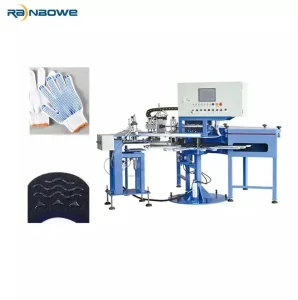
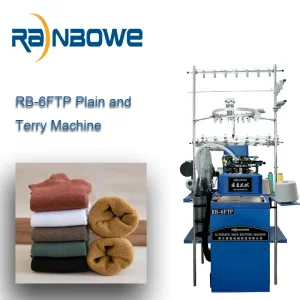
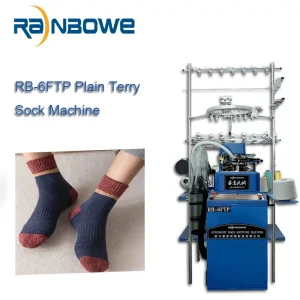
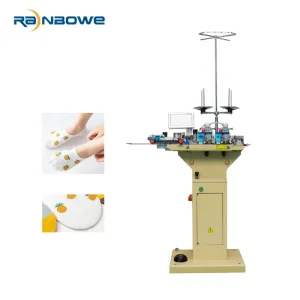
Explore our premium lineup of computerized knitting, dotting, linking, and tagging equipment engineered for seamless factory workflows.
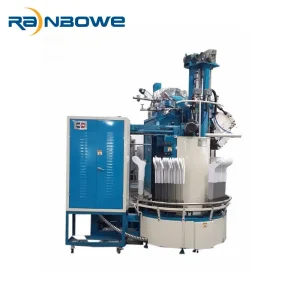
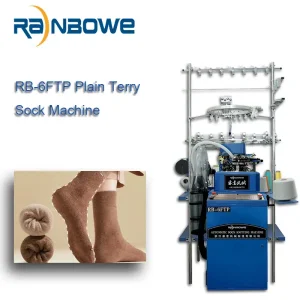
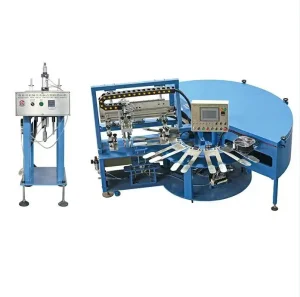
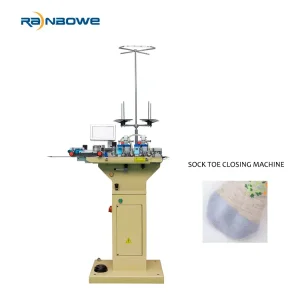
How automation in post-knitting processing is reshaping manufacturing yields, labor structures, and supply-chain efficiency across international markets.
Within hosiery manufacturing, efficiency has long been measured by knitting speeds. However, modern factory managers realize that the actual bottleneck occurs in the post-knitting phases: linking, boarding, and packaging. The integration of the SocksTagMachine (also known as the sock tagging machine or hang tag attachment machine) has revolutionized how factories prepare products for retail markets. Transitioning from manual tagging to computerized pneumatic tagging systems reduces labor requirements by up to 70% in the finishing section, while mitigating physical strain on workers.
Global consumer dynamics require rapid cycle times and retail-ready compliance. When shipping hosiery to global retail chains, products must feature securely attached tags with barcodes, size matrices, and pricing stickers. Traditional manual tag guns often cause uneven placement or yarn snags that damage fibers. Modern pneumatic tagging machines utilize micro-meter steel needles and calibrated air pressure to pierce the weave without shearing the structural nylon or elastane fibers, ensuring that even cheap sock tagging solutions maintain elite structural integrity.
From a commercial perspective, procuring a cost-effective yet reliable SocksTagMachine is a priority for high-output factories. Selecting a supplier that balances initial capital expenditure (CAPEX) with long-term operational durability determines a factory's margin health. A cheap machine with unstable pneumatics or low-grade needle assemblies leads to costly downtime and rejected batches. The goal of procurement is identifying "low-CAPEX, high-uptime" machines that offer modular parts compatibility and low maintenance overhead.
Over the last decade, manufacturers have integrated these tagging systems directly into larger packaging setups. Modern systems allow inline tagging, where a single pneumatic mechanism works next to automated baggers, folding machines, and card-board attachment modules. This holistic approach ensures consistent retail presentation and scales with growing consumer demands.
Analyzing Shaoxing Rainbowe's modern manufacturing facilities and advanced quality assurance protocols.
China's industrial landscape has transitioned from basic assembly to high-precision engineering under the Factory 4.0 paradigm. Shaoxing Rainbowe Machinery Co., Ltd. leads this transition by fabricating high-durability knitting, linking, dotting, and tagging systems. Located in Shaoxing, the heart of textile manufacturing, Rainbowe combines direct access to premium alloys, high-speed electronic control systems, and specialized precision engineers. This concentration of resources ensures that even cost-effective machinery benefits from advanced mechanical designs and strict assembly tolerances.
Supply chain resilience is built on component standardization and domestic manufacturing. Rainbowe designs custom spare parts with the official "rainbowe" logo, ensuring quality control and long-term parts availability. If a customer needs replacement components years down the line, standard designs allow fast dispatch, reducing downtime. Additionally, all machines undergo a strict 48-hour high-speed (330RPM) run test before packaging, verifying that electronic systems, bearings, and pneumatic controls remain stable under high-stress conditions.
Furthermore, China's manufacturing clusters allow Rainbowe to offer complete, one-stop solutions. Customers don't need to coordinate with multiple suppliers for their yarn, knitting machines, toe linkers, boarding equipment, and taggers. By consolidating procurement, buyers minimize international shipping costs, simplify customs clearance, and ensure all machinery is designed to work together seamlessly. This compatibility minimizes calibration issues and speeds up overall installation times.
As sustainability becomes a central concern, Chinese factories are investing in energy-saving features. Rainbowe's latest machines feature low-emission pneumatic circuits and energy-efficient servo motors that minimize electrical draw. Lower energy consumption helps international buyers meet carbon targets and lowers daily operational expenses.
Our state-of-the-art facilities located in Shaoxing, China.
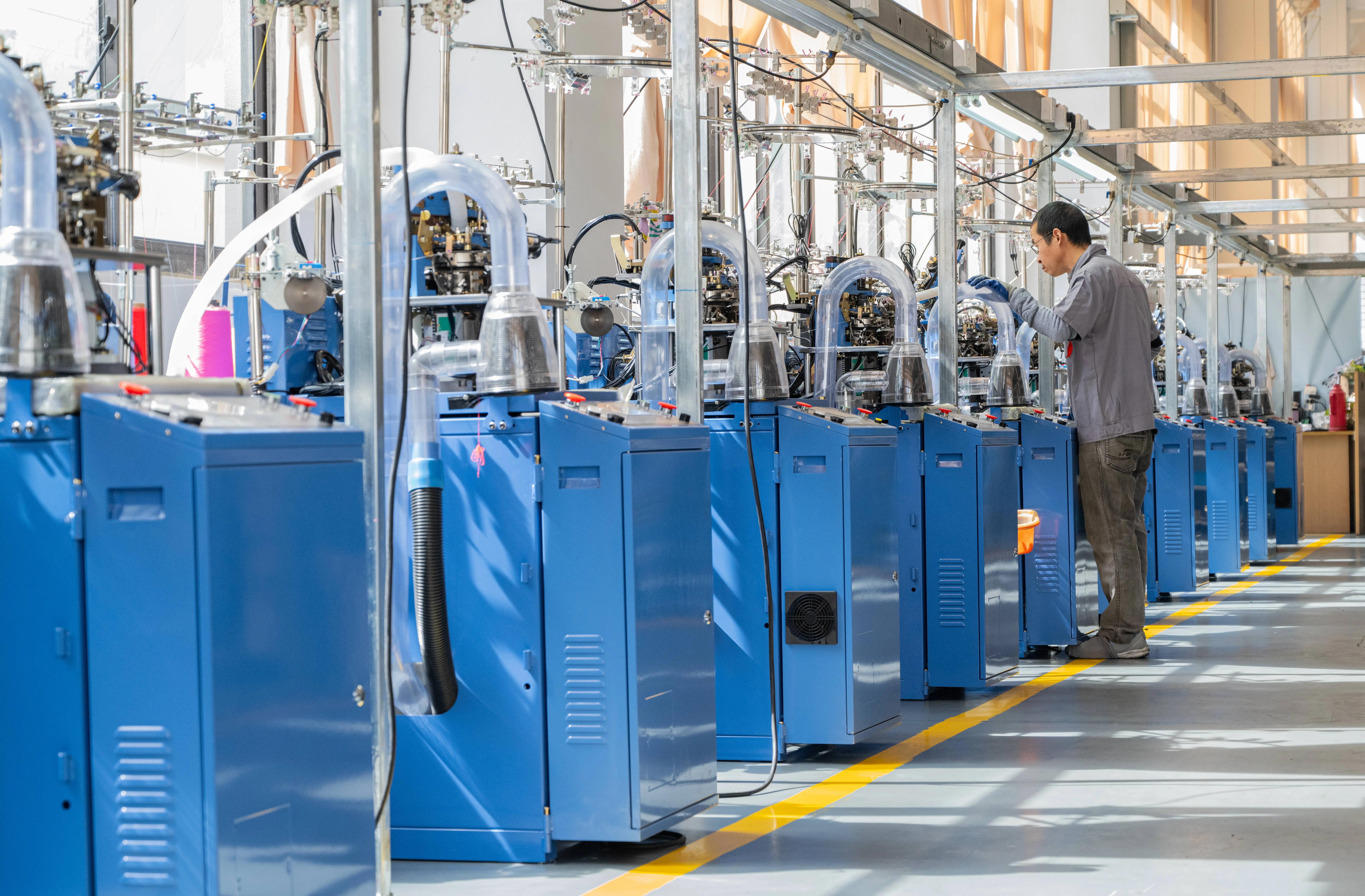
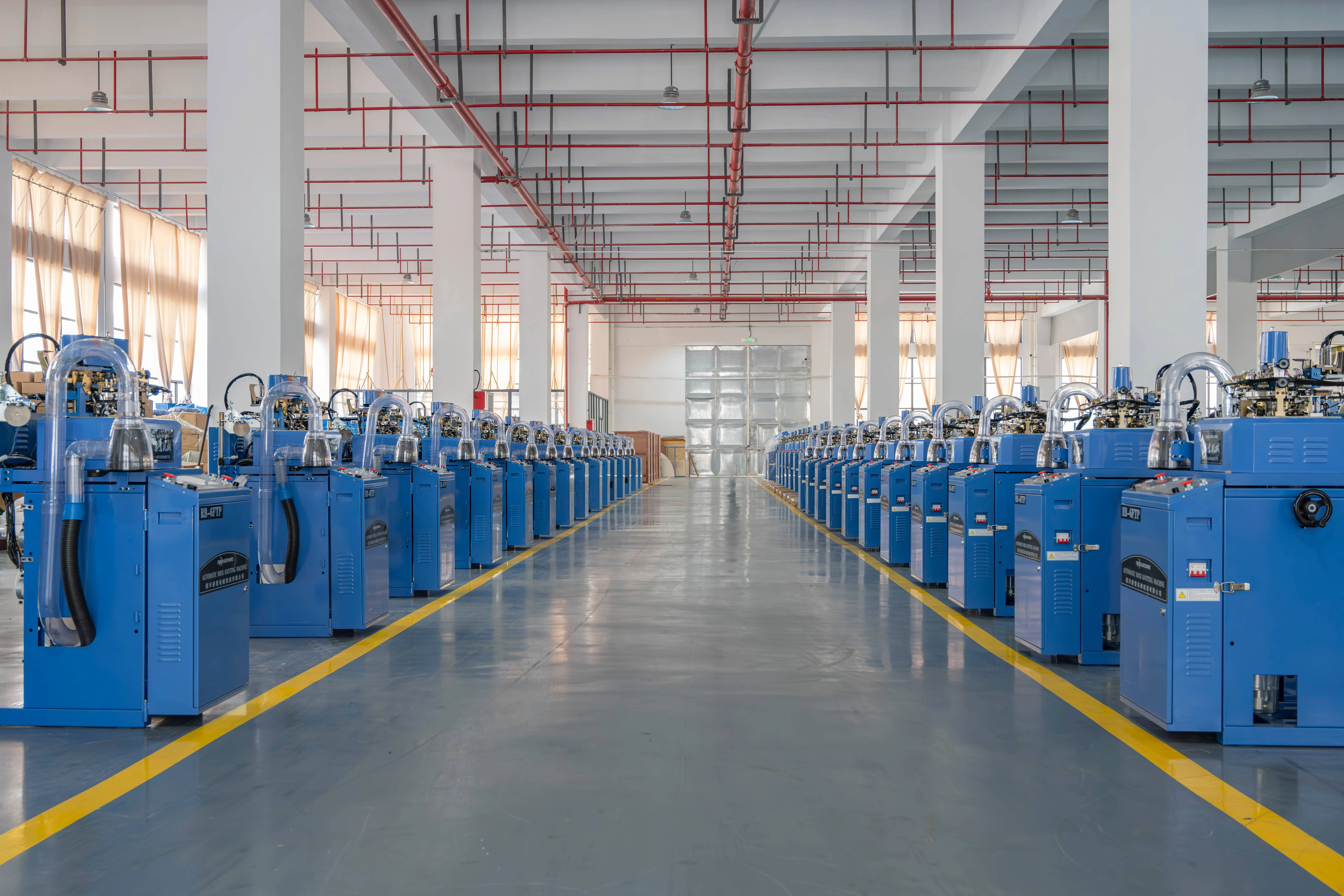
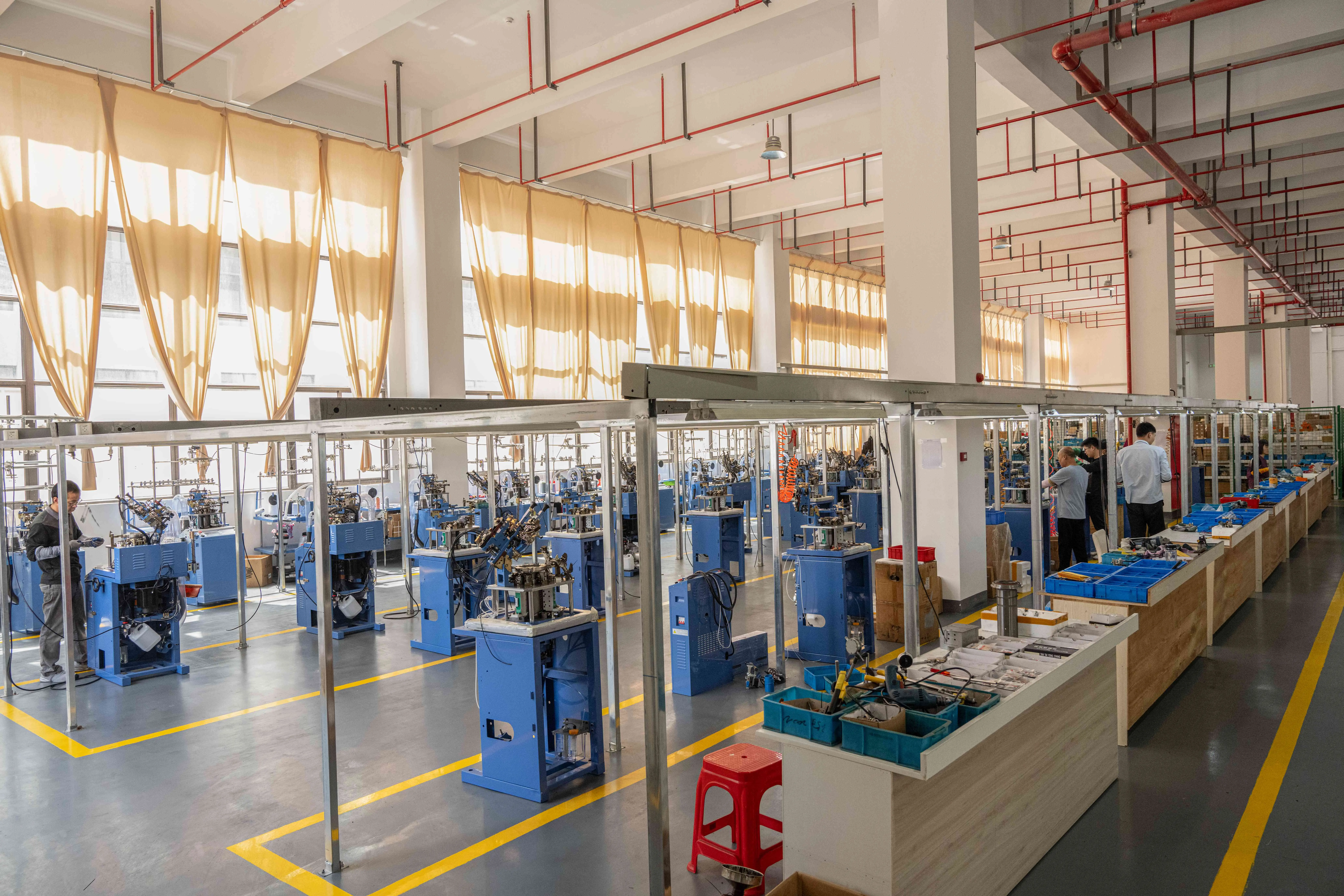
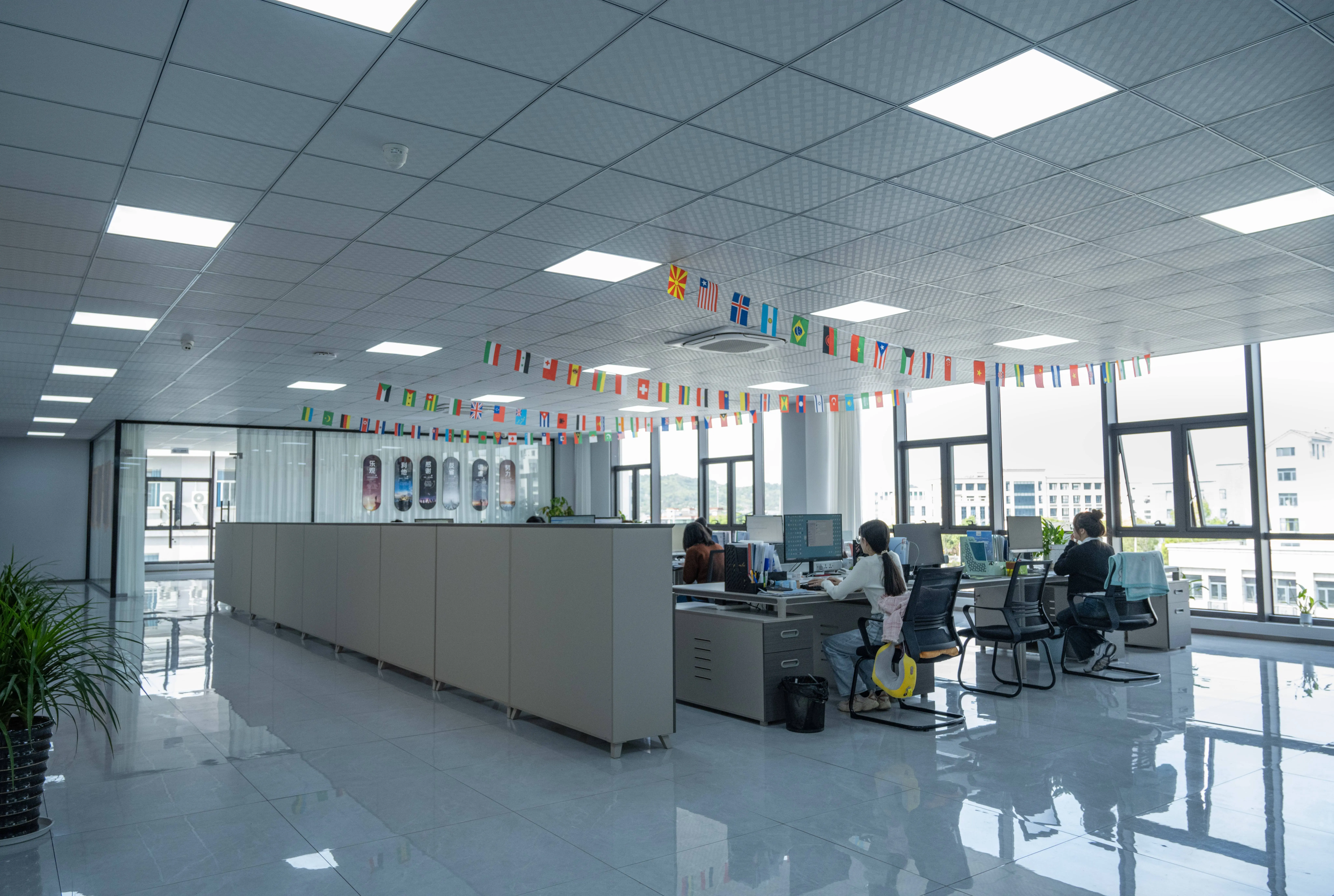
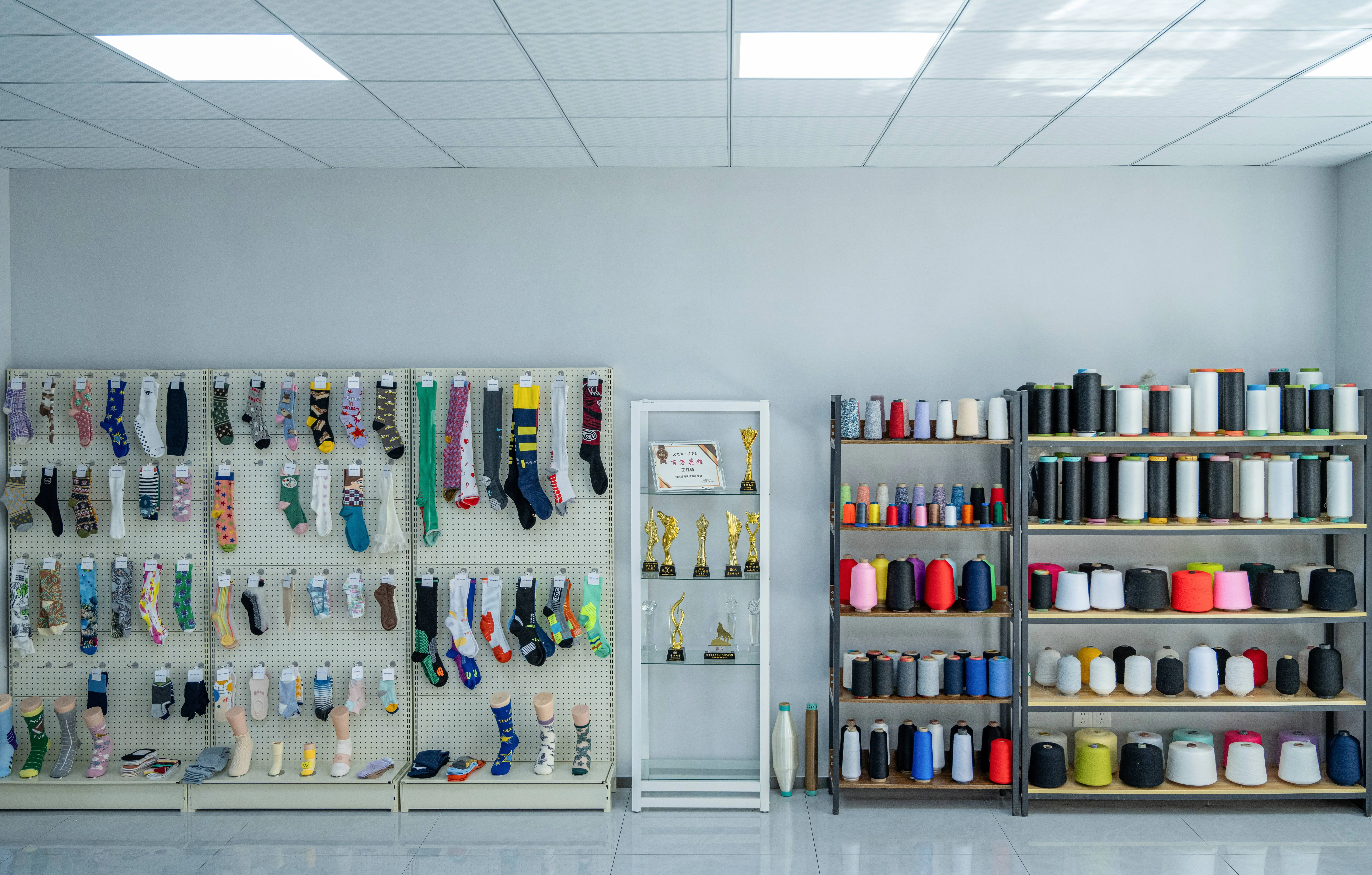
Every square meter of our Shaoxing facility is optimized for precision assembly, rigorous testing, and reliable global shipping.
Delivering high-performance machines with lifetime technical support, warranties, and specialized training programs.
We provide a 2-year warranty on mechanical parts and a 1-year warranty on electronic parts, giving you long-term security for your investment.
Connect directly with our engineering team via live video calls to quickly resolve technical queries or receive real-time maintenance support.
Receive detailed assembly, operations, and maintenance manuals designed to help your team set up and run machines with minimal training.
Access our step-by-step training tutorials on Facebook and YouTube, covering daily operations, maintenance, and basic repairs.
Send us images or physical samples of your target sock designs. Our engineers will program the matching chain patterns for your machine for free.
Send your machine operators directly to our manufacturing facility in Shaoxing for intensive, hands-on training with our senior engineers.
Explore our dynamic production catalog, showing high-performance machinery exported to over 50 countries, including the United States, Mexico, Portugal, Peru, and beyond.
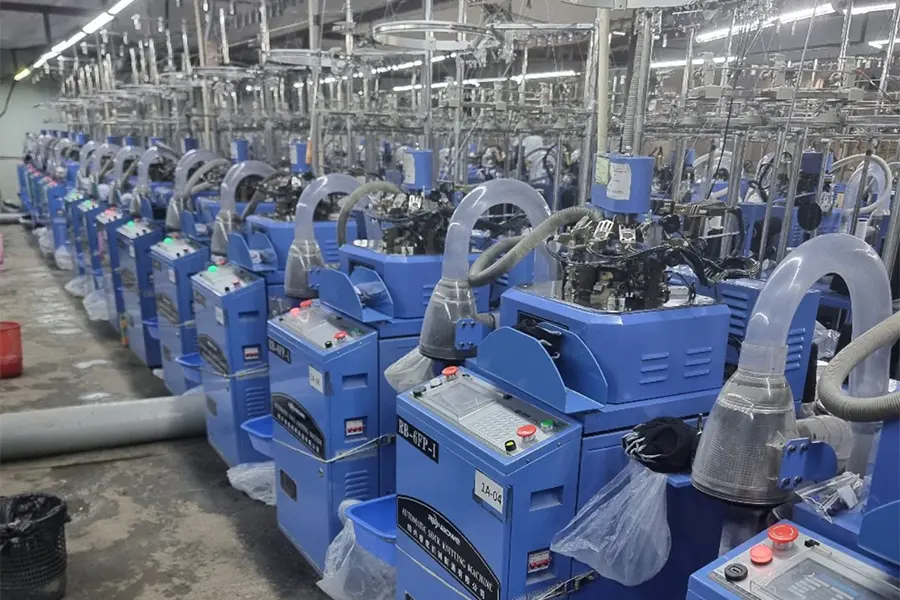
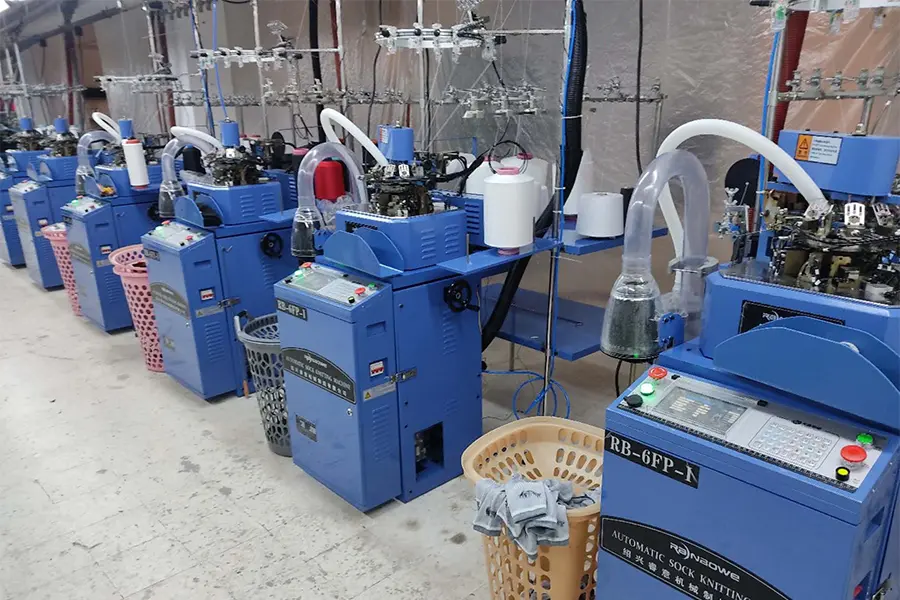
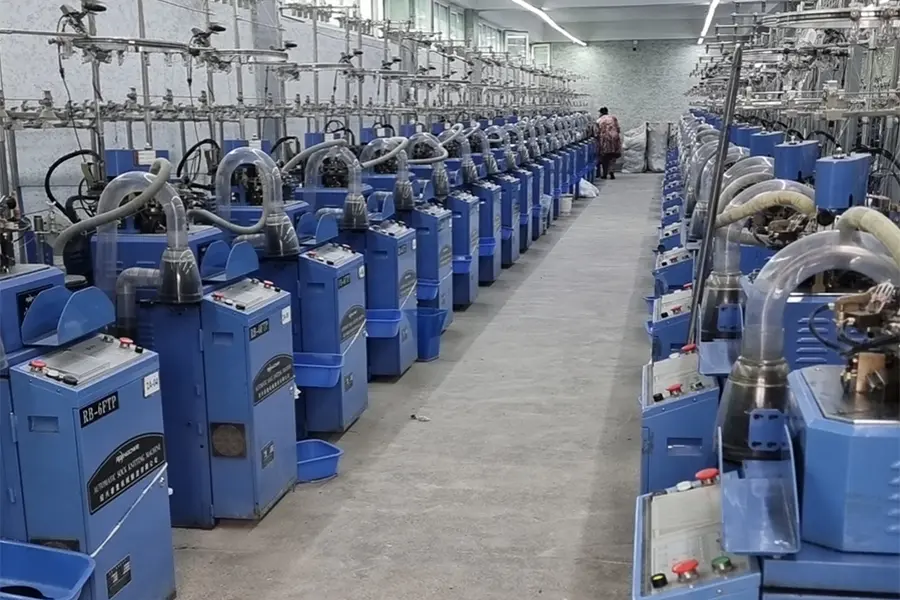
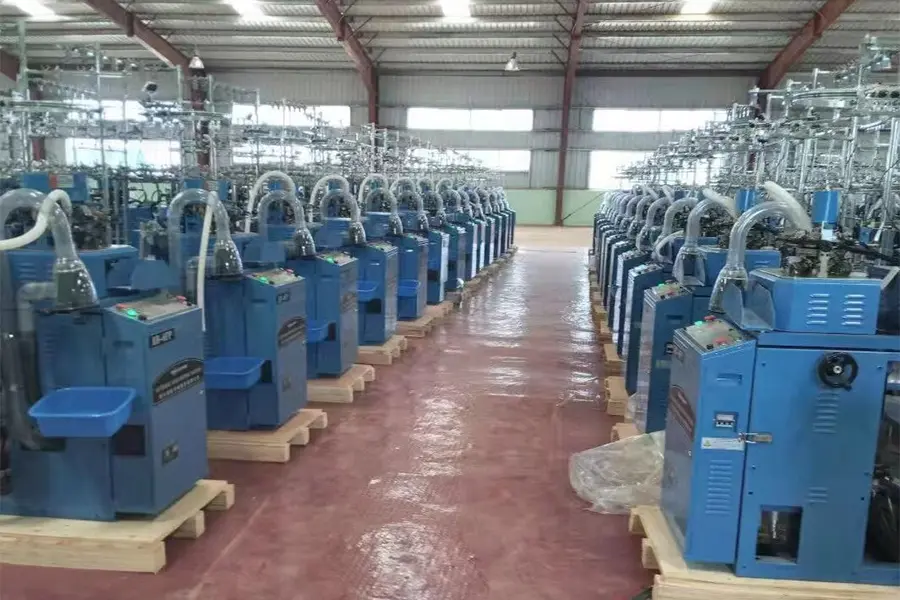
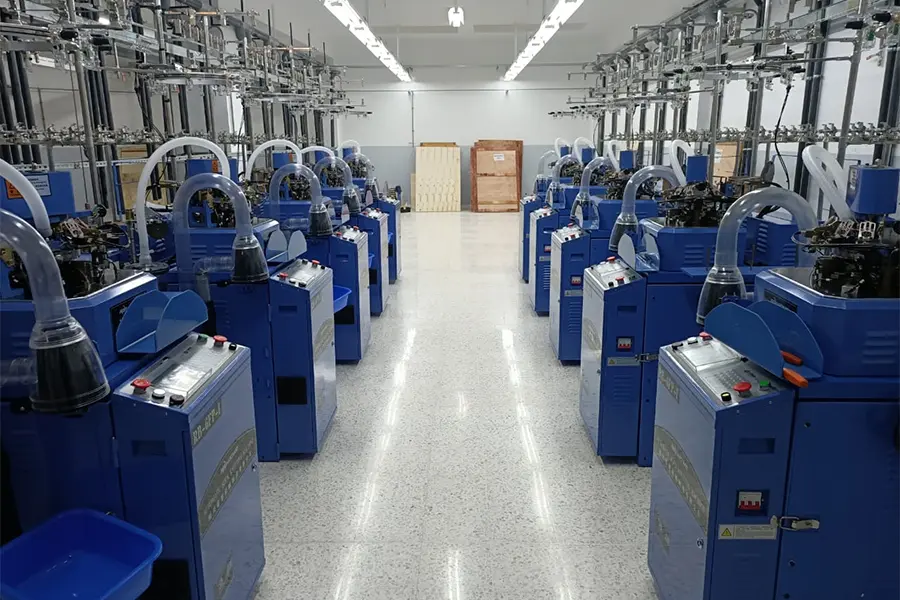
From small custom workshops in North America to large-scale textile mills in Southeast Asia, discover how Rainbowe machinery adapts to varying production volumes.
In high-volume manufacturing hubs like Vietnam, Bangladesh, and Mexico, speed and operating costs are critical. Factories in these areas need to finish thousands of dozens of socks every day. Integrating automated pneumatic tagging machines prevents post-knitting delays, ensuring finished products are boxed and shipped on time. Minimizing manual labor helps factories manage tight production schedules and strict retail shipping windows.
For brands producing high-performance compression wear, thick merino outdoor socks, or delicate silicone-dotted socks, tag placement must be precise. Using manual taggers on compression socks can damage the elastic structure, affecting performance. Rainbowe's pneumatic systems use fine-gauge needles to separate yarns without tearing them, keeping high-end fabrics in perfect condition.
For smaller manufacturers in North America and Western Europe, labor costs are a major factor. In these markets, manual tagging is often too slow and expensive. A single, cost-effective tagging machine lets small teams tag hundreds of socks an hour, matching the output of larger setups. This shift helps smaller operations scale up and focus their resources on design and brand development.
Rainbowe machines feature high-speed control panels supporting English, Spanish, Arabic, and Russian. This multi-language support makes the machines easy to use for operators worldwide, reducing setup times and minimizing errors in multicultural facilities.
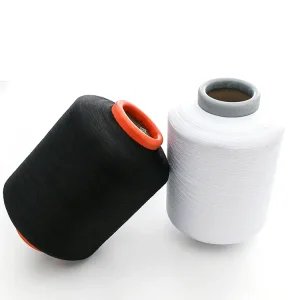
Complete your production line with high-speed linking machines, heat presses, boarding boards, and premium SCY yarn.
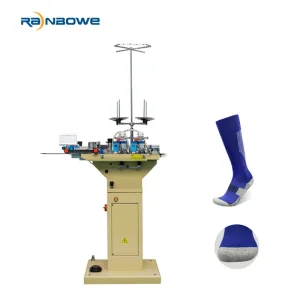
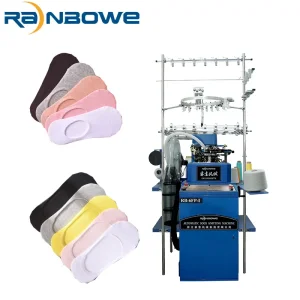
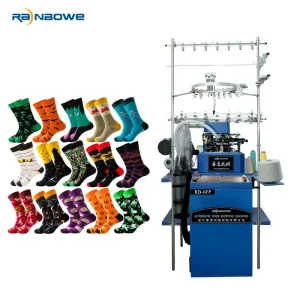
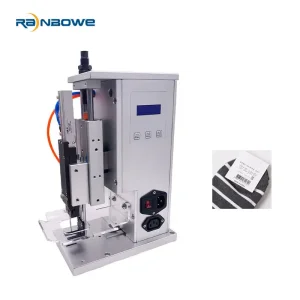
Understanding mechanical parameters, needle styles, and pneumatic controls to optimize finishing-line efficiency.
Manual taggers are common in low-volume workshops, but their output is limited to 10-15 socks per minute. This method is slow and risks needle misalignment, which can lead to fabric damage. Pneumatic taggers operate at 0.4 - 0.6 MPa, allowing speeds of 40-60 tags per minute. Automated pressure controls ensure consistent needle entry, protecting delicate knits from damage.
Needle selection is critical for maintaining fabric quality. Standard thick needles can break yarn loops, leaving visible holes. Fine-gauge steel needles (0.8mm - 1.2mm) slide between yarns rather than cutting them. Rainbowe machines use hardened steel needles to handle dense weaves without snagging the fibers.
To maximize efficiency, the SocksTagMachine should be located near boarding and folding stations. Organizing the workflow so that socks move smoothly from boarding to folding, tagging, and bagging minimizes handling and keeps production moving steadily.
A reliable air compressor is necessary for stable pneumatic performance. Running a tagging machine below 0.4 MPa can cause partial tag penetration, while exceeding 0.7 MPa causes premature component wear. Setting your regulator to a steady 0.5 MPa ensures clean cycles and extends needle life.
Expert answers to common technical, purchasing, and operational questions from global buyers.
A SocksTagMachine is a pneumatic or mechanical tagging device designed to attach brand tags, price tags, and hangers to socks. It uses fine steel needles and plastic tag pins to secure the labels without damaging the knitted fabric.
Pneumatic tagging provides consistent pressure, faster cycles (up to 60 units per minute), and less needle breakage. Manual tagging is slower, more labor-intensive, and carries a higher risk of damaging the fabric due to manual variation.
Most standard pneumatic taggers operate best between 0.4 MPa and 0.6 MPa. Stable air supply prevents incomplete tagging cycles and reduces mechanical stress on the valve systems.
Yes. The machine handles different thicknesses by adjusting the stroke length and using different needle configurations. Fine needles are recommended for thin liners, while longer, heavy-duty needles are best for thick terry socks.
Rainbowe offers a 2-year warranty on mechanical parts and a 1-year warranty on electronic parts. We also provide online technical support, video guides, and original replacement parts to help minimize operational downtime.
Yes. Clients can send their operators to our factory in Shaoxing, China, for hands-on technical training. We also provide detailed video guides and manual resources for remote setup.
 Rainbowe