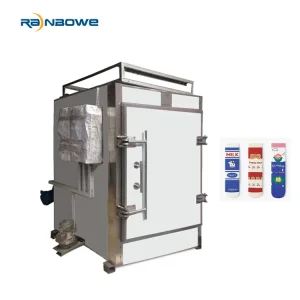
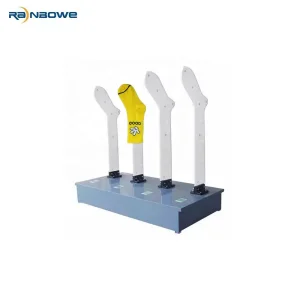
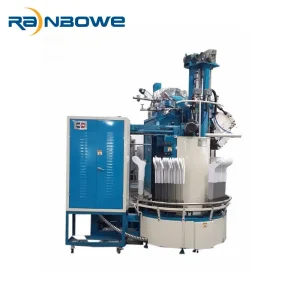
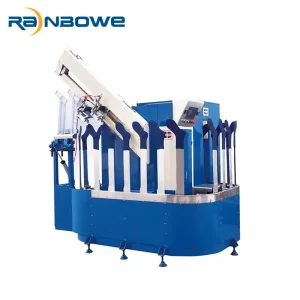
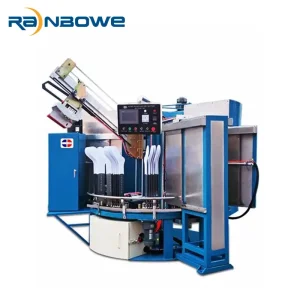
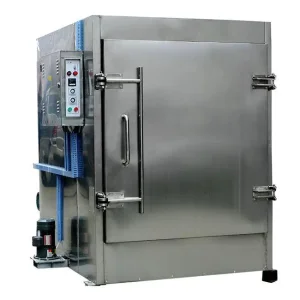
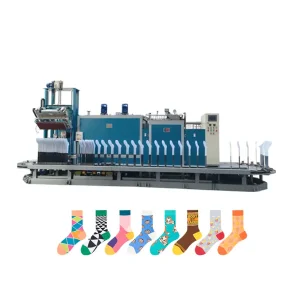
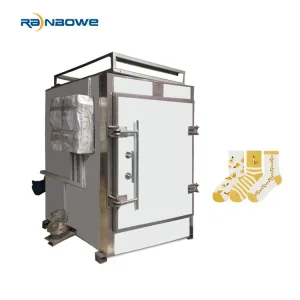
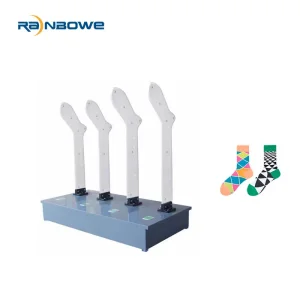
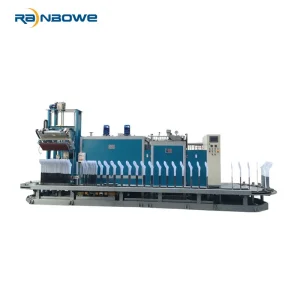
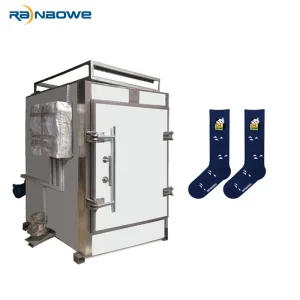
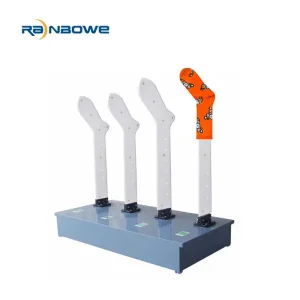
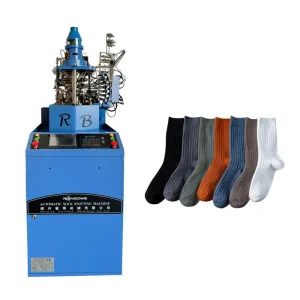
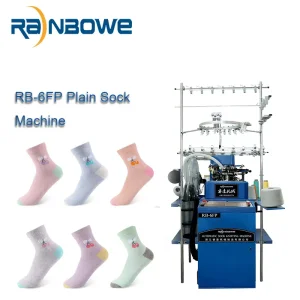
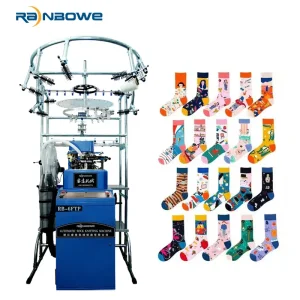
Tailored for maximum thermal-setting consistency and high-speed throughput under oceanic atmospheric conditions. These models feature heavy-duty insulation and high-efficiency steam recovery systems.
Fiji's manufacturing and garment industries have long served as a crucial hub for the South Pacific region, driving local employment and trade partnerships across Oceania, including Australia and New Zealand. Historically reliant on cut-and-sew apparel processing, forward-looking textile mills in Suva, Lautoka, and Nadi are increasingly upgrading to integrated, local sock production and finishing capabilities. This structural transition demands advanced industrial machinery that can withstand localized environmental and supply chain challenges.
One of the chief environmental issues for Fijian apparel manufacturers is the high relative humidity, which averages between 70% and 85% year-round. For hosiery and sock production, this humidity directly affects yarn moisture absorption and fiber elasticity, particularly when working with blended cotton, nylon, and elastane fibers. Standard hot-plate boarding techniques often yield uneven dimensional stability, leading to shrinkage and rapid garment distortion. To combat this, modern sock boarding machines utilizing pressurized steam-cycling are essential. These specialized machines penetrate fiber matrices at precise temperatures, setting the elastic structures permanently and drying the material uniformly to ensure export-quality finishing.
Furthermore, Fiji's geographical isolation in the Pacific necessitates industrial machinery of high reliability and simple maintenance procedures. Equipment must feature robust corrosion protection to withstand humid marine air, and manufacturers must have access to rapid technical remote support and a dependable supply of standardized spare parts. By introducing highly efficient, automated sock setting machinery, Fijian mills can offset rising labor costs, minimize energy wastage, and secure a competitive edge under regional trade agreements.
The global hosiery industry has moved away from manual finishing tables toward high-capacity computerized rotary systems. Contemporary textile mills prioritize energy conservation, cycle speed, and precise moisture monitoring to achieve optimal product quality.
Modern rotary steam chambers utilize microprocessors to control temperature dwell times down to a fraction of a second. This optimization prevents fiber melting or glazing on synthetic blends while maximizing production speeds.
By integrating closed-loop steam chambers, modern industrial boarding systems recycle hot exhaust steam. This reduces energy consumption by up to 35% compared to traditional open-chamber machines.
Quick-change aluminum forms allow single-machine production lines to switch between children's socks, high-performance compression wear, and thick thermal work socks in under ten minutes.
| Parameter | Electric Boarding Machines | Rotary Steam Boarding Machines |
|---|---|---|
| Energy Source | Direct Electrical Resistance Heating | Saturated Steam Generator (Boiler Required) |
| Finishing Consistency | Moderate (Dry Heat) | Excellent (Deep Steam Penetration) |
| Production Capacity | Ideal for Small-Medium Batches | High-Volume Continuous Production |
| Ideal Applications | Basic athletic, school, and leisure socks | Compression socks, heavy wool, high-end mercerized cotton |
| Moisture Management | Air-dried via heat plates | Vacuum extraction and rapid hot-air drying cycles |
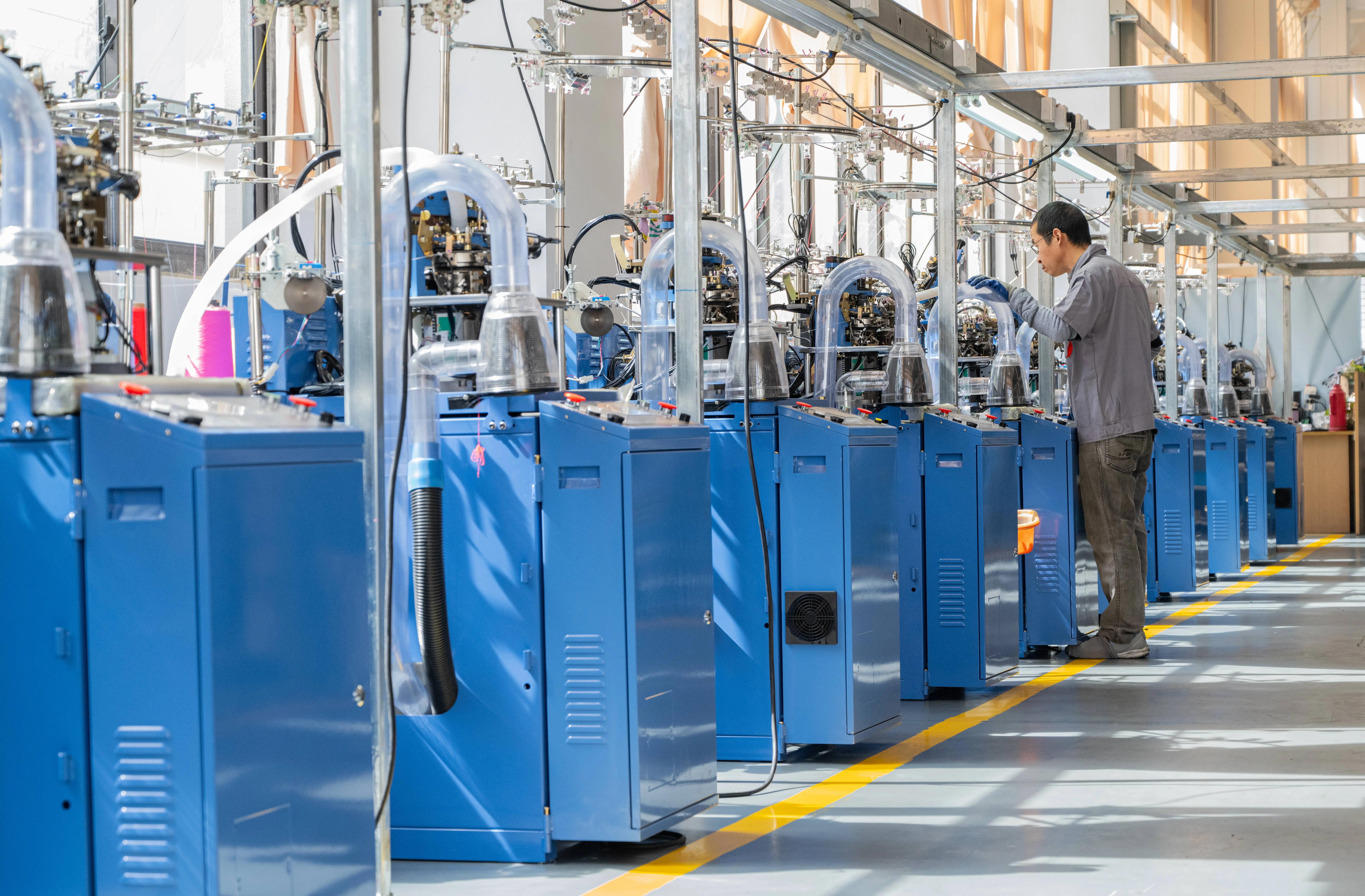
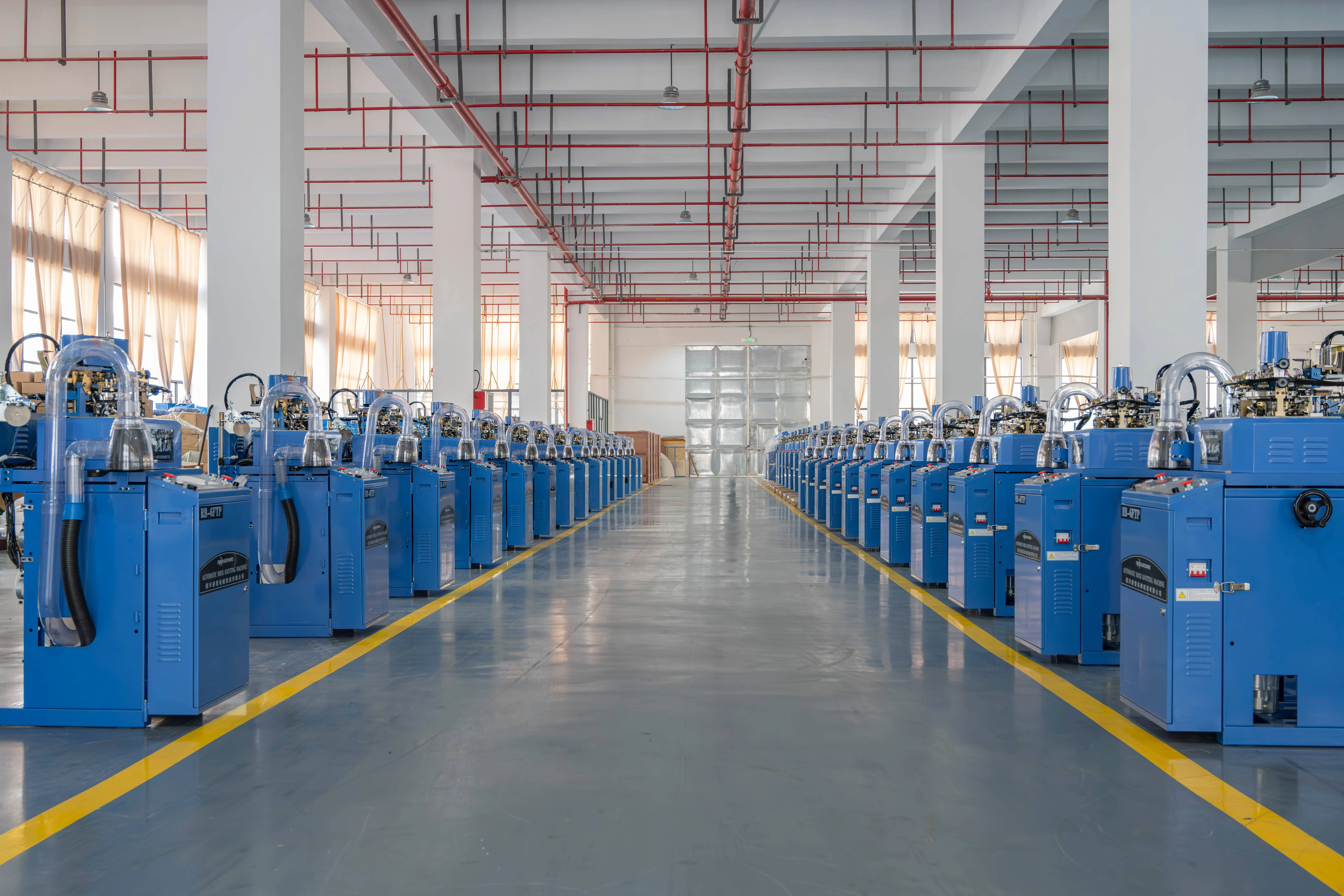
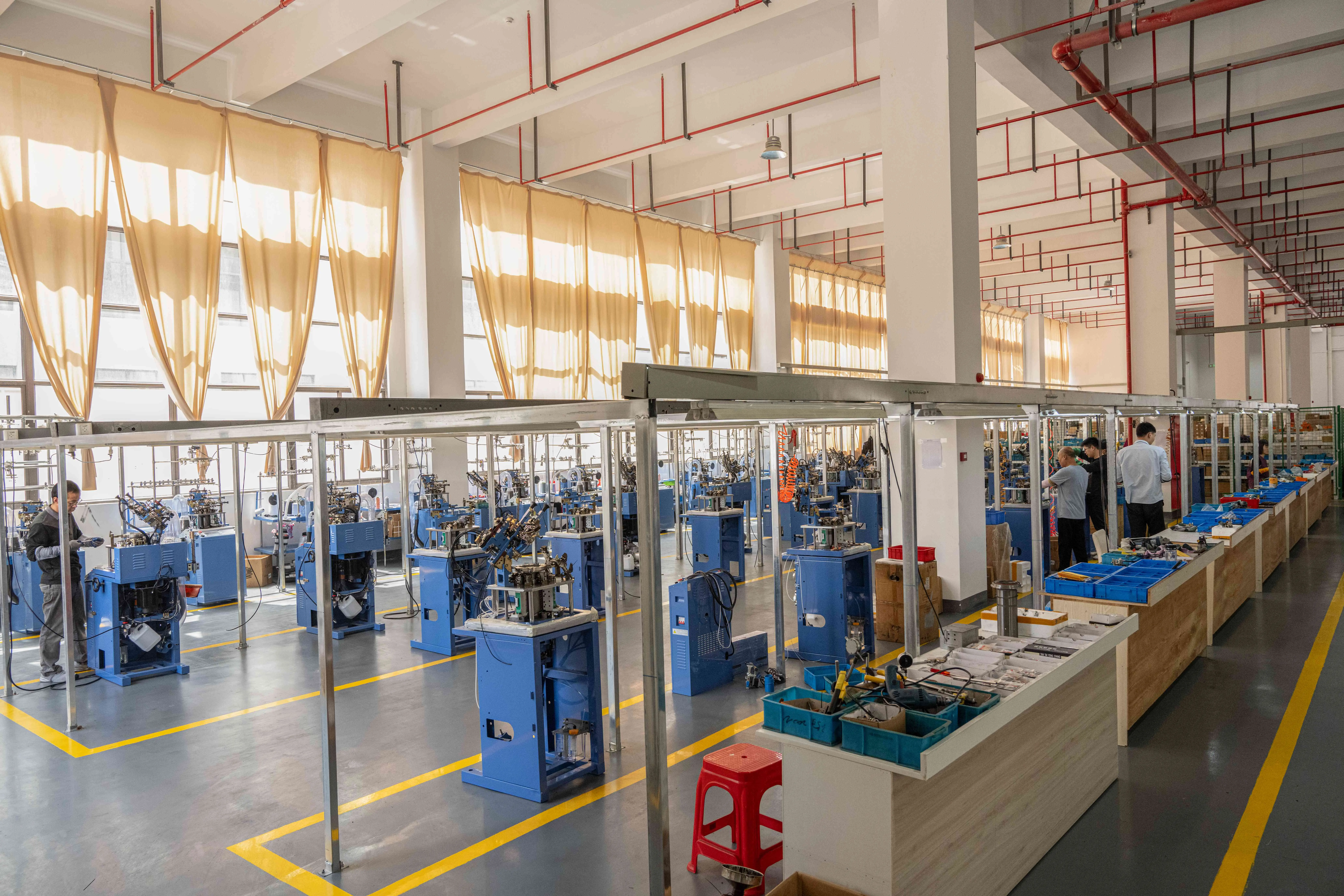
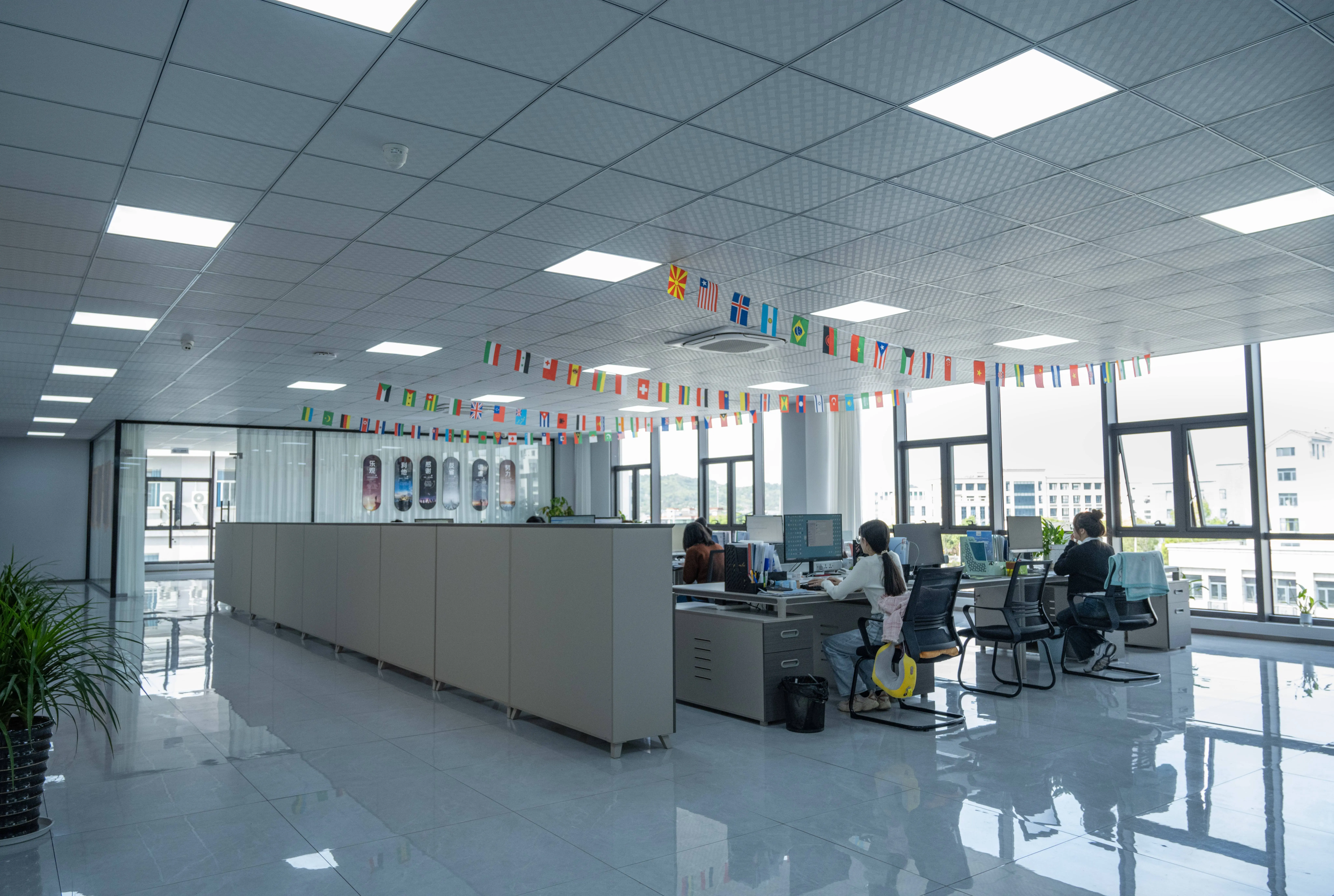
Shaoxing Rainbowe Machinery Co., Ltd. represents the cutting edge of China's Factory 4.0 initiative. Established in 2011, Rainbowe integrates rigorous quality management and high-precision CNC manufacturing to deliver textile equipment that guarantees long-term durability and operational efficiency.
Rainbowe's machines—including the RB-6FP, RB-6FP-I, RB-6FTP, and RB-6FTP-I models—are engineered to meet diverse production requirements, from compression athletic socks to delicate jacquard patterns. Every machine undergoes a rigorous 48-hour testing process at speeds up to 330 RPM before leaving the factory. This quality-first approach minimizes mechanical failure risk for international customers, which is a vital consideration for factories operating in remote regions like Fiji.
Each mechanical component, custom aluminum mold, and computer interface is built, calibrated, and stress-tested in-house to ensure high performance and longevity.
"Our continuous upgrades to spare parts extend machine lifespans, giving factory operators confidence that their investments will run efficiently with minimal maintenance overhead."
To maximize ROI, machinery configurations must align with local demand. Rainbowe's systems are optimized for three key commercial segments in Fiji:
High-aesthetic, customizable sock designs featuring resort logos and tropical themes. Rotary boarding ensures crisp patterns and soft tactile feel for premium retail.
Heavy-duty socks for agriculture, sugar mills, and maritime staff. Our box-type steam units handle thick yarns and reinforce heels and toes for high durability.
High-elasticity athletic socks tailored for Australia and New Zealand. Precision heat-setting guarantees accurate pressure zones for performance garments.
Find answers to common questions about power requirements, shipping logistics to Fiji, operational parameters, and maintenance setups.
Explore our selection of high-capacity and specialty boarding systems, engineered to handle diverse materials and output scales for Fiji's growing textile market.
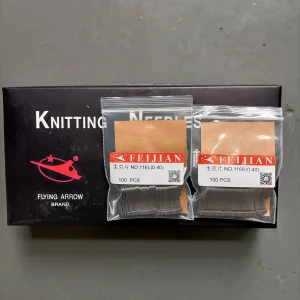
To ensure seamless operation, we also supply complete automated double-cylinder knitting systems and certified industrial spare parts configured for overseas shipping.
 Rainbowe